

Vertical Dramas Are Booming and Most of the Industry Is Missing It
I’ve been in digital content since the early YouTube days, yelling into the void that online video was the future. Since then, I’ve produced for Larry King Now (Emmy-nominated, thank you very much), worked with creators since 2008, and led influencer campaigns for DreamWorks, NEON, State Farm, and a bunch of other fancy brand names meant to impress you. Forbes profiled me when I launched Casting Influence as the first-of-its-kind agency. And now I’m telling you: There’s a whole new form of storytelling exploding, and most people in traditional media still have no idea it even exists.
Hi. I’m here to help.
Remember 15 years ago when everyone made fun of YouTube? And that one friend — the one who dug her heels in and said, “Don’t ignore this. This is the future. Get your clients online now.” (Totally not talking about myself.)
You ignored her.
This is that moment again.
Vertical dramas, or microdramas depending on who you ask, are short, serialized shows made for your phone. Episodes run about 60 to 90 seconds, shot vertically, and loaded with cliffhangers designed to keep you watching.
They’re not TikToks with better lighting. And they’re definitely not Quibi 2.0. (Bless their hearts.)
Who’s Watching?
A lot of people, though the data is a little all over the place. Some reports say it’s mostly women under 35. Others point to strong viewership among middle-aged women in the Midwest. One data set says 48% are 45 and older. Another says 39% are between 25 and 44. However you slice it, people are watching.
Bottom line (as best I can tell):
Core viewers: Gen Z and millennials, ages 16 to 35
Emerging growth: Ages 40 and up, especially 45-plus, with major traction in China and growing fast in the United States
Trend: Started with younger digital natives, now picking up loyal, high-spending older fans too
The Numbers Don’t Lie
ReelShort, the current U.S. leader, has more than 300 million downloads and over a billion views a month. It pulled in over $1 billion last year — mostly from people paying 30 cents at a time to unlock the next episode.
So yes, people are binging. And they’re paying.
In China, the short drama market is already worth over $5 billion. Korea is catching up fast. In Los Angeles, producers are now shooting 30 to 40 vertical series a month. At this point, it’s all I hear my actor friends auditioning for or producers prepping. These projects aren’t backed by studios or streamers. They’re shot independently — fast, cheap and without the usual industry red tape.
Where It’s Happening
ReelShort – The dominant U.S. platform
FlexTV – Gaining momentum with original and licensed content
DramaBox – Growing fast with global reach
Youku, Kuaishou, HiShorts! – Leading in China
NetShort – U.S.-based, genre-heavy, especially thriller and horror
MyDrama – Launched in April 2024 out of Kyiv, pivoted from romance novels to serialized phone crack
Sereal+, CandyJar, AltaTV – New players testing formats, monetization models and international crossover appeal
Sound Familiar?
It should. If you’ve been in the creator space a long time, this feels a lot like the early days of YouTube or what we now call the creator economy (a term I really don’t love, but that’s for another day). Back when no one took creators seriously and online video was still considered niche — or mostly cat videos. This is taking off in the same way. Low barrier to entry. Huge creative freedom. But this time, it comes with actual revenue on day one.
Why Quibi Flopped and This Didn’t
Quibi tried to force a TV model onto mobile screens. A-listers. Huge budgets. It missed what mobile-native storytelling actually is. Vertical dramas learned from that. They’re fast. Emotional. Built for scrolling and bingeing. The budgets are usually just under union thresholds. The writing is built to hook in under 10 seconds. They’re messy and often ridiculous — but they’re working.
Why You Should Care
If you work in branding, comms, talent, media or anything content-adjacent, here’s what matters:
These shows drive more engagement than most branded content
They’re cheaper and faster to produce than traditional video
Platforms are already funding original vertical series, including branded projects
This is where the next generation of on-camera talent is being discovered
This isn’t a trend. It’s a format shift
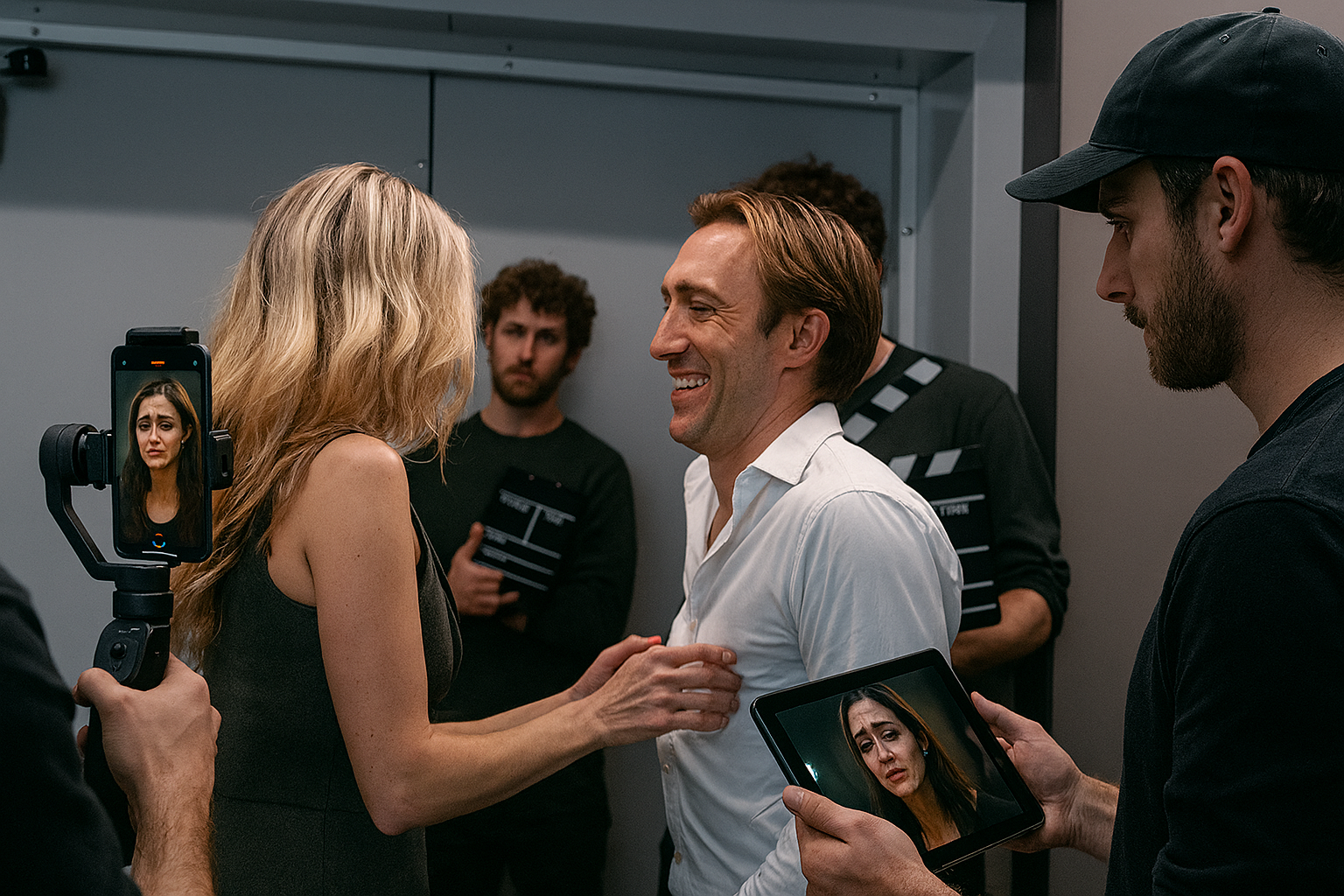
A new content economy is forming in real time. Some of it’s happening in bedrooms, shot on iPhones. But more and more, it’s happening on real sets, with real crews and real deadlines.
Production is lean. Storytelling is built for scroll. And viewers are showing up.
Watch a few episodes. Then try not to watch another.
I’ll wait.
Shout out to Scott Brown of Second Rodeo for being the person to yell this into my ear many months ago.