The Wikipedia Paradox: Why LLMs Made Your Worst PR Channel Your Most Important Asset
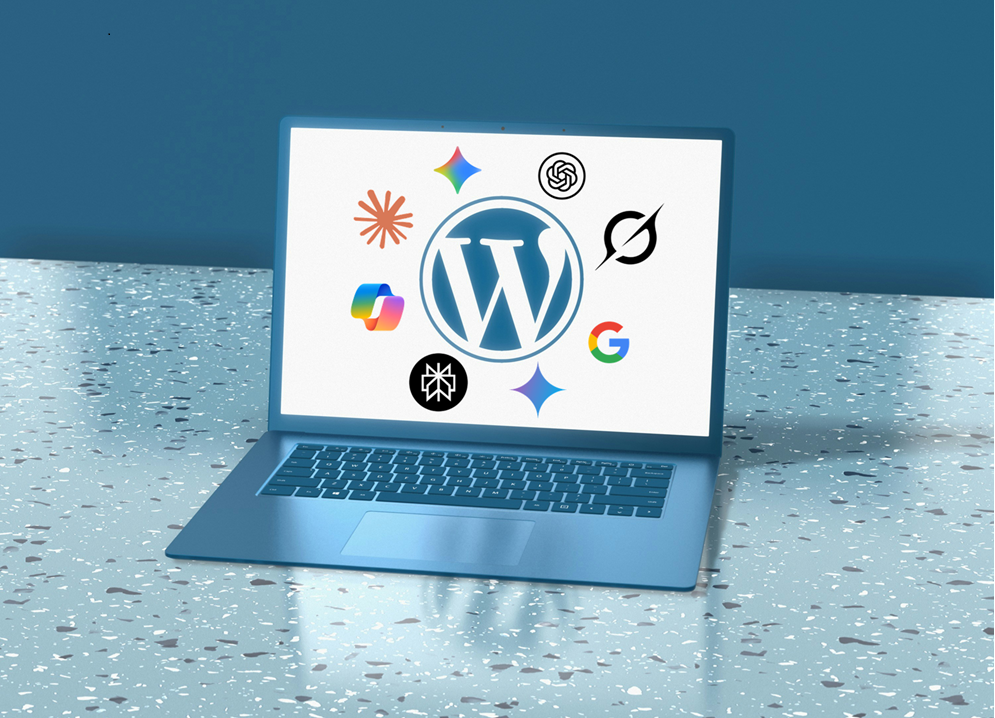
ChatGPT is pulling your company description straight from Wikipedia. Perplexity is citing it as the primary source. Gemini is treating it like gospel.
For years, the advice was "don't engage with Wikipedia unless you absolutely have to." The volunteer editors were unpredictable. Pages kept getting tagged as promotional. Wrong moves triggered warning banners.
Then LLMs changed everything.
Wikipedia went from being a liability you avoided to the single most influential source shaping how millions of people - and every AI model - understand your brand. Before LLMs, if your Wikipedia page was messy, maybe 1,000 people saw it. Now, every major AI model is training on it, citing it, and repeating it to millions of users.
Aside from your own website, Wikipedia is now your most important distribution channel. And most companies are still treating it like it's 2019.
Here’s what we’re seeing:
Hedge funds:
The ones engaging with us through disclosed editing are getting clean, professional representations in every LLM. Meanwhile, their competitors with sparse or outdated Wikipedia pages are getting defined by the one negative news cycle that got more coverage.
We worked with one fund where Wikipedia listed a former employee who left five years ago as a "key person." Every LLM repeated it. Every prospect asked about it. The client kept saying "just delete it" - but that's not how Wikipedia works.
We went through proper channels, got community consensus, requested the update the right way. It took time. But now? Corrected across every AI platform.
Large nonprofits:
They've got 50+ initiatives, but Wikipedia only reflects what they were doing in 2019. So when someone asks ChatGPT "what does [Organization X] do?" they get an outdated answer. These organizations have communications teams, PR firms, and media coverage - but none of it matters if Wikipedia is frozen in time.
One major philanthropic org we work with had a conflict of interest tag at the top of their page from an employee who'd edited it years ago. They were terrified to touch it. Meanwhile, all their current programs - the stuff they're actually known for - wasn't represented.
We helped them update it properly, transparently, following all the protocols. Now the LLMs reflect their actual work.
B2B tech companies:
Many don't have Wikipedia pages at all. They figured, "We're enterprise software, nobody cares." Wrong.
Their prospects are asking LLMs "tell me about [Company]'s solutions" before the first sales call. And if there's no Wikipedia page, the LLM is stitching together an answer from random sources - product reviews, forum complaints, whatever it can find.
Companies are losing deals because the LLM narrative was built on a two-year-old TechCrunch article about a security issue they'd already resolved.
The companies getting this right:
They're not trying to game the system. They're not creating fake editor accounts. They're working with experts - engaging transparently, following the protocols, building relationships with the Wikipedia community, and getting their pages updated properly.
Disclosed conflict of interest editing isn't just allowed, it's actually the preferred method. We ensure the process is transparent, with suggestions made on talk pages and independent editors implementing them. It takes longer. It requires patience. But it works, it's compliant, and most importantly - it sticks. The edits don't get reverted. The community respects the process.
And the results show up everywhere - Google knowledge panels, LLM responses, even AI-powered customer service tools that pull company information.
The companies getting this wrong:
They're either (a) still ignoring Wikipedia entirely, or (b) trying to edit it the old way and getting burned with warning tags, reverts, and now a poisoned relationship with editors.
If you're responsible for corporate communications, brand reputation, or digital strategy:
Wikipedia isn't optional anymore. It's infrastructure.
If you're waiting for the "right time" to fix your Wikipedia presence, it's now.
The LLMs are already pulling from it. Your prospects are already asking about you. The narrative is already being written.
Want to see how your brand appears across ChatGPT, Gemini, and Perplexity right now?
Click this link and we'll run an AIQ Snapshot for you - takes about 90 seconds and shows you exactly what the models are saying, what sources they're using, and where Wikipedia fits in.