

What Cannes Lions Revealed About the Future of Creator Marketing
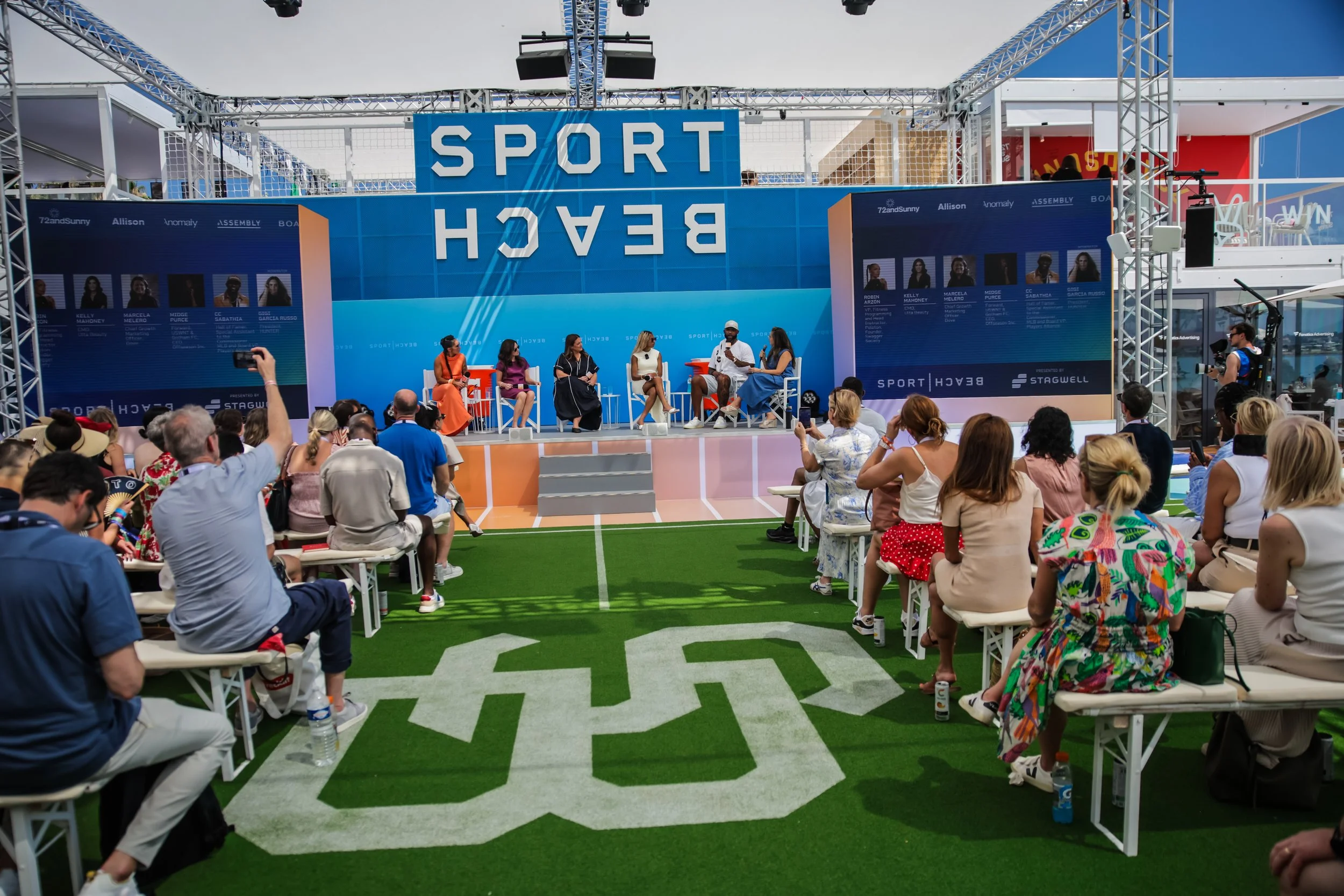
Heading into Cannes Lions Festival of Creativity, we expected award-winning creative, larger-than-life brand activations, and endless conversations about AI. All of that was there. What surprised us was how often those conversations ultimately circled back to one thing: the creator economy and the role creators now play in nearly every facet of modern marketing.
Creators weren't simply more visible this year; they had become central to the festival itself. That shift was evident not only in dedicated creator programming, but across panels on advertising, commerce, sports, technology, and brand building. Rather than existing alongside those conversations, creators were an integral part of them.
That felt significant because Cannes is still, at its core, a celebration of creativity. The work recognized on stage continues to set the standard for our industry, while the activations lining the Croisette showcase where marketing is headed next. This year, however, those activations weren't just experiences. They became working environments where podcasts were recorded, executives sat for interviews, creators produced content, athletes met with brands, and partnerships took shape. The campaign no longer ends when it launches. Increasingly, it becomes the starting point for conversations that unfold across earned media, social platforms, executive thought leadership, and creator partnerships.
Perhaps the biggest shift wasn't where creators showed up, but how they approached the week. Many intentionally avoided tying themselves to a single brand because Cannes represented something much bigger: a rare opportunity to build relationships across platforms, agencies, brands, and fellow creators. They looked less like influencers attending an event and more like founders attending an industry conference. That evolution reflects a broader shift happening across our industry, where creator marketing is becoming more strategic, more measurable, and increasingly built around long-term partnerships rather than one-off campaigns.
The same convergence was evident in conversations about AI. While every platform had a new tool to showcase, the most meaningful discussions weren't about automation - they were about judgment. As AI becomes more capable and widely adopted, the questions communicators are being asked to answer remain fundamentally human: Is this authentic? Is this credible? Does this build trust? Those aren't technical questions - they're communications questions. We participated in a panel focused on keeping influencer marketing human in the age of AI, and the conversation consistently returned to one idea: AI can make us faster, but trust is still built by people.
As communications professionals, that's the lesson we'll take home from Cannes. The lines between advertising, communications, creator strategy, and technology are becoming increasingly difficult to separate, which means our work can no longer happen in silos. The strongest ideas are now shaped collaboratively from the outset, with creators, communicators, marketers, platforms, and business leaders all helping define how a story is told. In an industry increasingly powered by AI, our role is not simply to amplify those stories, but to ensure they are credible, culturally relevant, and ultimately worthy of the trust they seek to earn.