

Cracker Barrel’s Branding Fumble Fuels Shareholder Revolt
What you will learn when you read this article:
How Cracker Barrel’s failed rebrand created both a customer backlash and new leverage for activist investors.
Why Truescope’s media monitoring shows Fox News and Trump’s criticism amplified negative sentiment.
What communicators can learn from modern shareholder activism tactics that blend financial critique with cultural messaging.
Cracker Barrel’s attempt at a $700 million rebrand has become a cautionary tale in brand management and shareholder communication. The company’s decision to remove its iconic “Uncle Herschel” character in favor of a minimalist logo sparked a fierce customer backlash, with critics decrying the shift as “soulless” and “woke.” Within days, the restaurant chain reversed course, restoring its “Old Timer” logo, halting planned remodels, and acknowledging mistakes in its rollout strategy.
The fallout was costly. The company’s stock fell nearly 10 percent after its fourth-quarter earnings report, erasing more than $140 million in market value. Traffic has declined 8 percent since the August 19 rebrand launch, with Cracker Barrel warning that customer visits could drop another 4 to 7 percent this year.
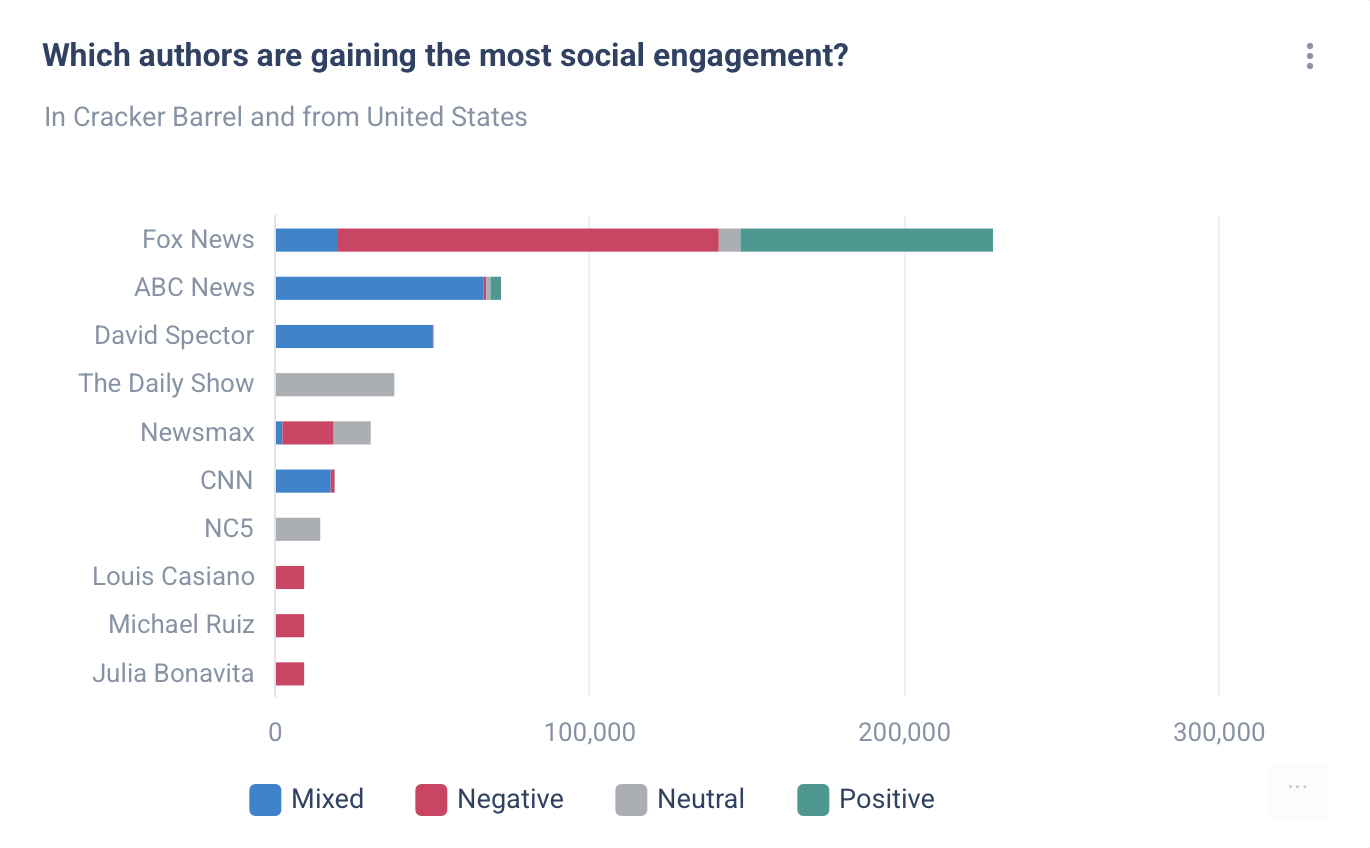
Source: Truescope, August 18 - September 19, 2025
According to media monitoring by Truescope, much of the pressure on Cracker Barrel was fueled by Fox News coverage and social engagement, which amplified the backlash narrative, along with high-profile criticism from President Donald Trump. Truescope’s analysis showed that the strongest negative sentiment aligned with these spikes in coverage, illustrating how broadcast amplification and political voices can accelerate a brand crisis.
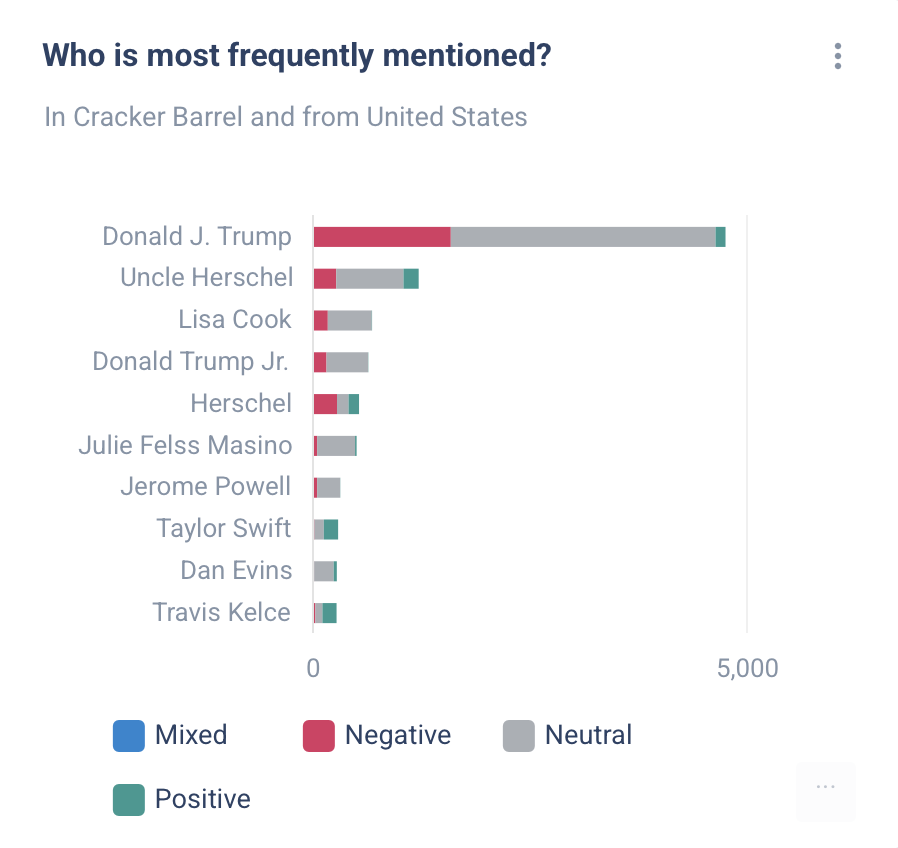
Source: Truescope, August 18 - September 19, 2025
That stumble has reignited a familiar battle: activist investor Sardar Biglari’s eighth proxy fight against the company. Biglari, CEO of Steak ’n Shake, owns 2.9 percent of Cracker Barrel shares and has accused CEO Julie Masino and board member Gilbert Dávila of “destroying shareholder value.” His tactics—ranging from social media attacks to a billboard in Nashville demanding Masino’s ouster—illustrate how modern shareholder activism blends financial critique with cultural messaging.
Cracker Barrel’s leadership has pushed back, characterizing Biglari’s campaign as self-interested and reminding investors that most of his previous proposals have been rejected. Yet the timing of his offensive, following a high-profile rebrand failure amplified by media cycles, makes the campaign harder to dismiss.
Lessons for Communicators
For communicators, the Cracker Barrel saga underscores how deeply brand identity and shareholder trust are intertwined. The company misread the emotional connection customers had to its heritage elements, triggering not only consumer revolt but also providing ammunition to activist shareholders. The response—swiftly reversing the rebrand—may have stemmed further brand damage but highlighted the reactive nature of the company’s communication strategy.
Truescope’s sentiment insights show the speed at which media ecosystems can shape brand crises. When coverage leans heavily on influential outlets or political figures, negative framing accelerates, giving activist investors additional leverage. Communicators must prepare by closely monitoring coverage patterns, predicting amplification points, and engaging stakeholders early before narratives harden.
Other activist campaigns reinforce the point. Elliott Management’s stake in PepsiCo, Ancora’s pressure on CSX, and HoldCo Asset Management’s push at Comerica all reflect how activists are repositioning themselves less as raiders and more as reform-minded operators. Companies increasingly find it easier to negotiate than to fight prolonged public battles.
The Cracker Barrel episode shows what happens when a company underestimates both customer sentiment and activist persistence. For communicators, the takeaways are clear: anticipate cultural reactions when shifting brand identity, proactively engage shareholders to build trust, and prepare for activism campaigns that weaponize public opinion as much as financial performance.