

Trump’s Epstein Cover-Up Strategy Is Failing Because His Base Finally Cares
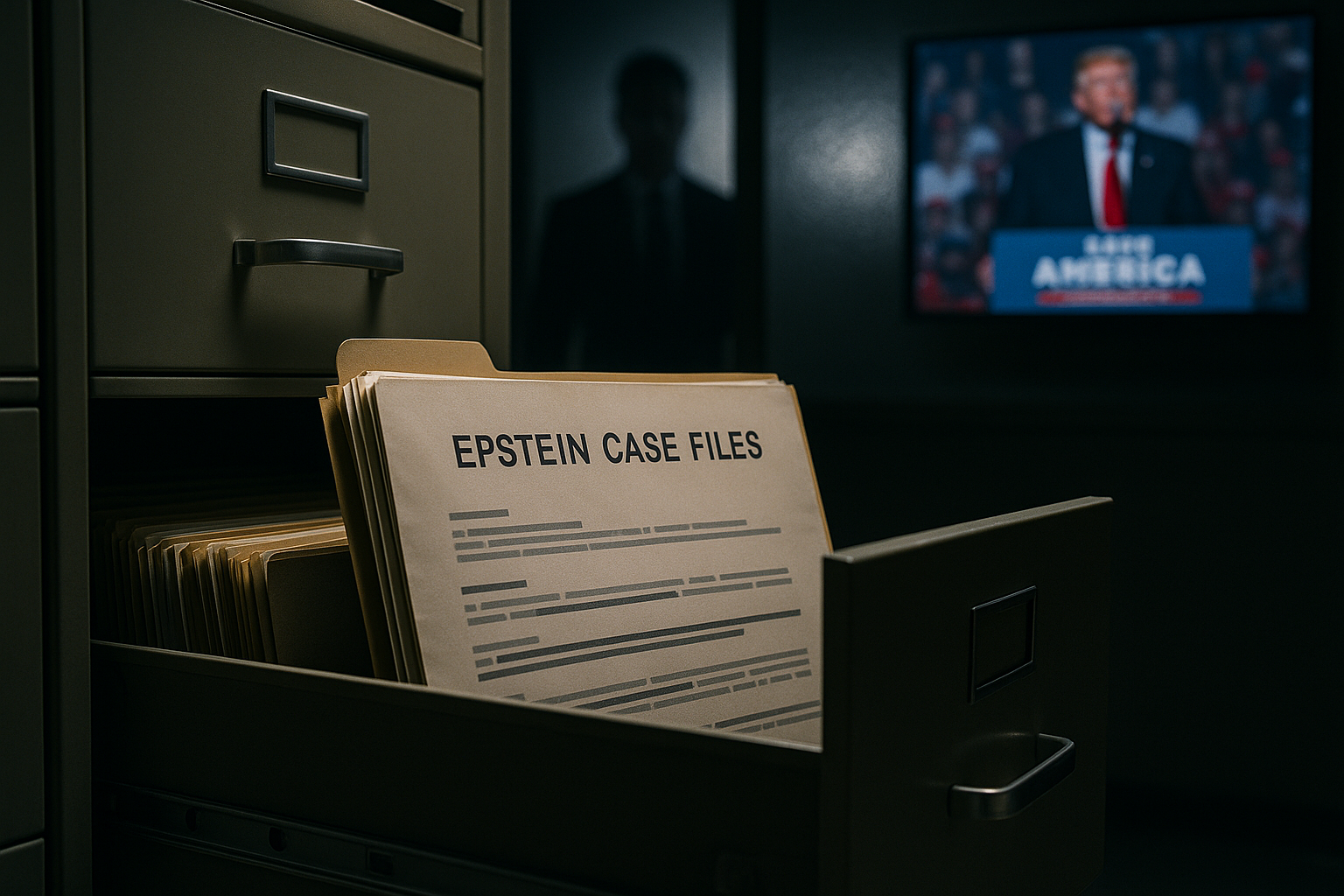
Donald Trump doesn’t want anyone reading about Jeffrey Epstein. That alone should tell communicators everything they need to know about how not to manage a scandal.
Trump’s approach to distancing himself from his long-standing ties to Epstein has leaned on his usual trio of crisis tactics: commanding silence from allies, changing the subject through spectacle, and selectively releasing information to control the narrative. None of it is working this time. The Epstein case has pierced the protective bubble of the MAGA base, and Trump’s crisis response is now making the problem worse.
From a crisis communication standpoint, Trump’s initial mistake was underestimating the intensity and persistence of the Epstein narrative, especially among his own supporters. His demand on Truth Social that MAGA loyalists “stop talking about the Epstein hoax” didn’t suppress interest. It validated suspicion. Historically, Trump has thrived on being the loudest voice in the room, but telling your core audience to shut up about the one issue they’re most obsessed with (elite pedophile conspiracies) is a self-inflicted wound of the highest order.
To communicators, this is a case study in the perils of turning on your base mid-crisis.
Adding fuel to the fire, Trump’s distractions have been clumsy. Announcing the return of the Presidential Fitness Test with sex offender Lawrence Taylor by his side, for instance, only reignited comparisons to Epstein. Then there’s the reported birthday letter to Epstein uncovered by The Wall Street Journal, complete with Trump’s signature over a nude sketch, prompting a denial and a lawsuit that all but ensured the story would dominate another news cycle. The intended chill on media scrutiny had the opposite effect. Trump’s strategy is not distraction; it’s amplification.
Meanwhile, the administration’s incremental releases of “Epstein Files” have been largely ineffectual. When Attorney General Pam Bondi claimed there was “no incriminating client list,” and later backpedaled on even possessing such a list, the backlash from Trump’s base was immediate and brutal. Bondi’s firing of lead Epstein prosecutor Maurene Comey, daughter of James Comey, only deepened the perception of a cover-up. As did the opaque DOJ meeting with Ghislaine Maxwell and her subsequent relocation to a cushier prison.
To communicators, this showcases the risk of half-measures in a scandal where full transparency is expected. Trump’s team offered just enough detail to make people curious, but not enough to satisfy public demand for accountability.
What’s more, conservative media personalities like Steve Bannon are now capitalizing on the scandal by calling for full disclosure, betting that the truth will never actually surface. This realignment reveals how easily ideological allies can become adversaries when narrative control slips. The result: Trump’s base now sees him not as the avenger of elite wrongdoing, but as a protector of it.
This inversion of Trump’s role within his own mythos, once the destroyer of deep state secrets, now the keeper of them, is perhaps the most dangerous outcome. For a movement built on exposing elite conspiracies, the idea that Trump himself is covering one up is a shattering betrayal.
And yet Trump still clings to the idea that lawsuits and louder denials will put the story to rest. In reality, each defensive move, like the suit against The Wall Street Journal, only highlights his vulnerability. This reactive posture reinforces the message: he’s hiding something.
What Communicators Should Learn
For PR professionals and crisis managers, this saga is a masterclass in strategic failure. Trump’s tactics, attacking the media, controlling allies, and muddying the timeline, are textbook crisis responses. But they collapse when the core audience no longer believes the story. Trust, once broken with your base, can’t be silenced. It must be rebuilt.
More broadly, this scandal exposes a challenge that brands, companies, and political figures all face in 2025: managing conspiracies and misinformation among your own followers. When a narrative born from fringe media becomes mainstream within your community, denouncing it can backfire unless handled with empathy, transparency, and credible third-party validators.
For Trump, there is no easy pivot left. His base is invested in the Epstein story in ways he failed to anticipate. That’s not a distraction. It’s a rupture.
And for the GOP, the implications are profound. As the party eyes a post-Trump future, this scandal may become the turning point where voters stop seeing him as the solution to elite corruption and start seeing him as its embodiment.