

Print Devotion Fuels Two Ad-Free Magazines Readers Keep For Years
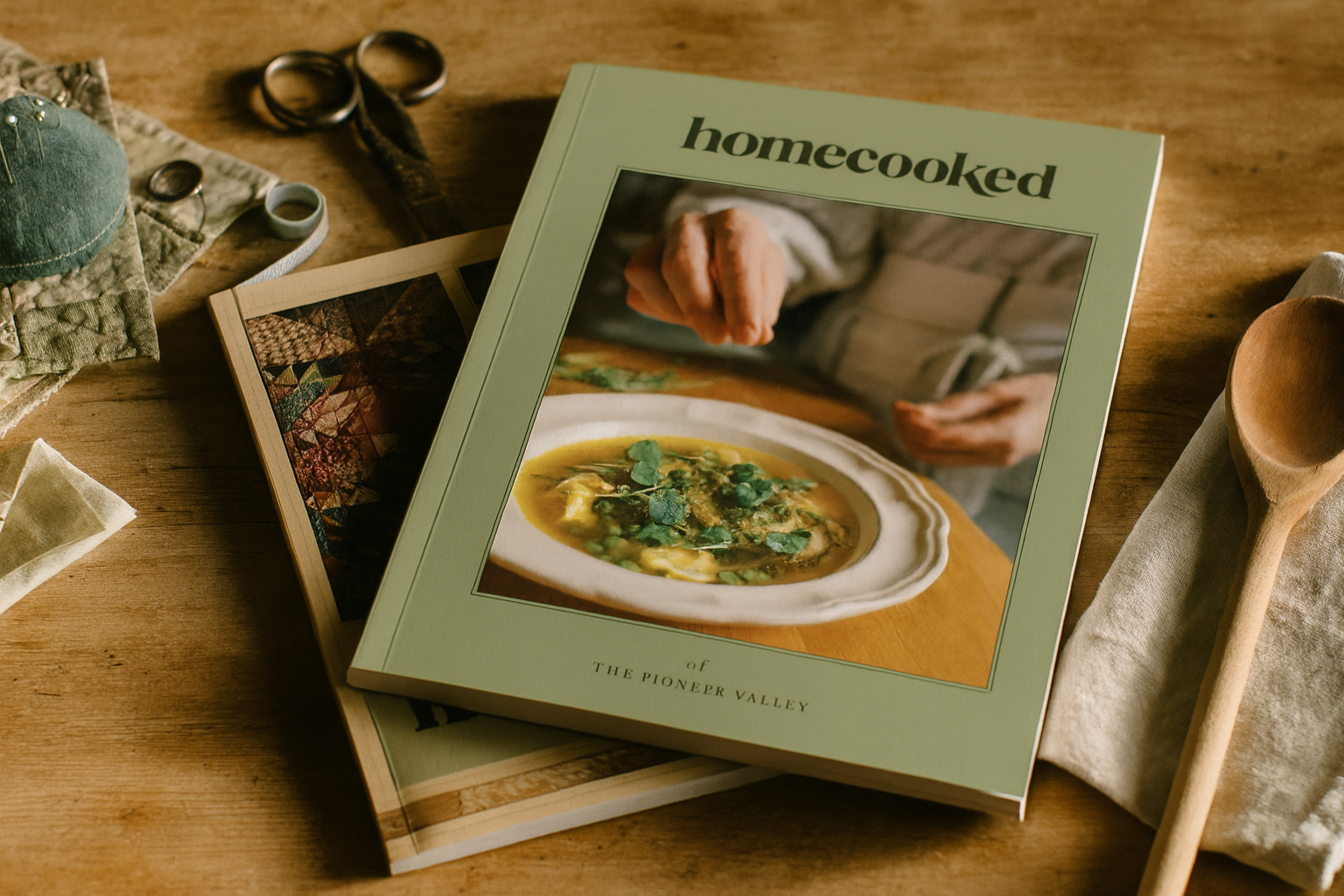
Michael McCormick believes there is a future for premium print. The publisher behind homecooked and Quiltfolk has built two quarterly, ad-free magazines around a simple proposition that resonates with audiences who love tactile crafts. Each issue runs 164 pages with a premium price on the newsstand and a lower effective rate for subscribers.
In a recent interview conducted by Dr. Samir “Mr. Magazine” Husni, it is clear that McCormick’s approach is a case study in matching product form to audience values, building a business on storytelling, and using focused performance marketing to scale without advertising inside the product.
McCormick launched Quiltfolk nine years ago and introduced homecooked last year. Asked why a young entrepreneur would start two print magazines in a digital age, he said, “I’ve always loved magazines, I believe in the business model fundamentally, and we like storytelling.” He credits the combination of long-form stories and the tactile nature of the product for sustained reader demand.
For communicators, the lesson is clear: when your audience identifies with the craft, the medium becomes part of the message. McCormick’s readers cook and quilt. They value tools, textures, and time. A substantial, ad-free print object signals care, permanence, and community. “People will pay for stories and content they love and that inspire them,” he said. “Whether it’s $15 or $20, it’s a small price to pay for what, in a perfect world, they’re getting back from us.”
Each title focuses every issue on a single region. Editorially, the choice surfaces local ingredients, traditions, and techniques, which deepens relevance and drives word of mouth. Operationally, it keeps costs tight by sending writers and photographers on concentrated road trips. “Both quilts and food have regional differences and curiosities,” McCormick said. “Why not celebrate that?”
Communicators can apply that logic to company storytelling and earned media strategies. Regionalization is not only a distribution plan. It is also a creative brief that yields more authentic voices, sharper photography, and a clearer sense of place. If your brand has communities with distinct habits or flavors, consider commissioning content that elevates those differences rather than smoothing them out.
The business model is as disciplined as the editorial approach. Issues are ad-free. The primary revenue is readers. “Yes, it’s working,” McCormick said. “A single issue is $22. With a subscription, you get a discount plus a free issue. It works out to about $15 or $16 an issue for your first year.” For communications leaders, the takeaway is to align pricing with value and be explicit about what the audience is buying. If you are selling depth and beauty, package and price it accordingly.
Growth has not been effortless. “Owning a business is never a straight path,” McCormick said. The early months of homecooked were slower than expected. “It took four to six months to figure out messages that were resonating online,” he said. The team kept testing and measuring. Today most paid acquisition runs through Facebook and Instagram, with the newsstand serving as discovery rather than a margin driver. For marketing teams, that is a reminder to separate channels by their jobs and to treat creative testing as a weekly discipline.
McCormick’s soundbites echo the entrepreneur’s reality many communicators support behind the scenes. On energy and time: “We’re going 100 miles an hour from 5:30 in the morning till 8:30 at night.” On risk: “The answer is always cash flow.” On advice to would-be founders: plan for it to take twice as long and cost twice as much, then build with conviction and keep the north star visible while you iterate.
For those shaping brand narratives, McCormick’s template offers practical guidance. Let the product form embody the audience’s identity. Make regional focus a creative advantage. Price to the promise. Keep the ads and sales messaging outside the experience your customers are paying for. Use performance media to learn fast, then trust the compounding effects of word of mouth and a collectible object people keep.