

MSNBC’s Rebrand to MS NOW Risks Ditching Trust for Trend
Here’s what you’ll learn when you read this article:
Why the rebrand from MSNBC to MS NOW has sparked debate inside and outside the network
How the move illustrates both the power and peril of rebranding legacy media
What communicators should keep in mind when separating from a parent brand
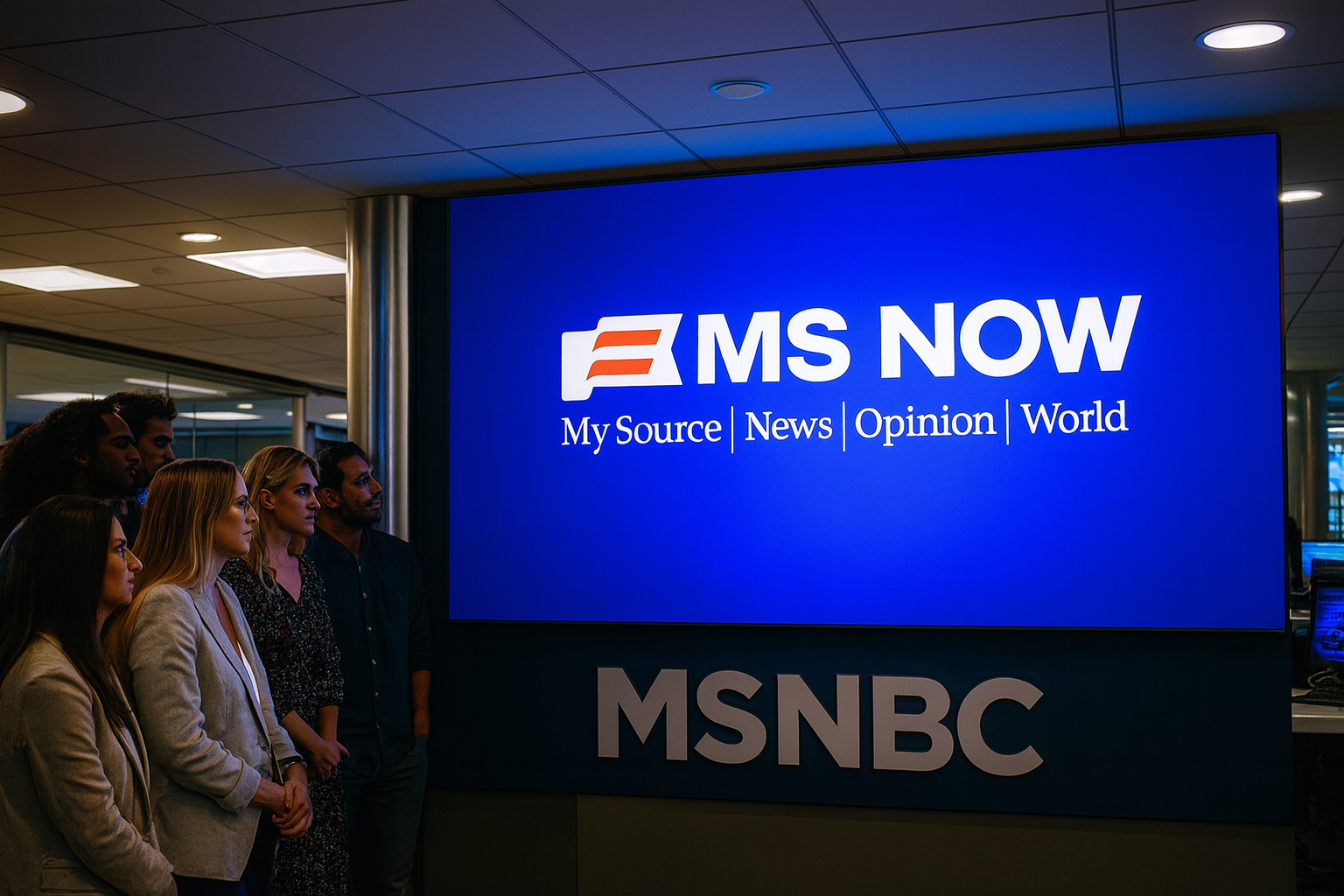
MSNBC, the liberal-leaning cable network once defined by its ties to NBC News and the iconic peacock, will soon drop both in a full-scale rebrand as MS NOW — short for My Source News Opinion World. The rebrand is part of the network’s move to spin off into Versant, a newly formed media company housing former NBCUniversal cable brands.
The reaction across the media world has been swift, divided, and skeptical, not least among MSNBC insiders. For marketers and communicators, the rebrand offers a textbook case of what is gained and lost when legacy, equity, and trust are traded for repositioning and reinvention.
In an internal memo, Versant CEO Mark Lazarus explained the shift: “This change will accelerate the distinction between the MSNBC and NBC News organizations and establish an independent news organization.” He added that while the peacock stays with NBCUniversal, MS NOW “underscores the brand’s mission to serve as the destination for domestic and international breaking news and best-in-class opinion journalism.”
Still, many industry voices are raising red flags. Alan Wolk, lead analyst at TVREV, expressed concern that the new name sounds more like a generic digital news feed than a respected cable network. “MS NOW sounds like a streaming clip service,” he said. “NBC is still a trusted name, especially for the older viewers who still watch cable news.”
Wolk’s overall take? The name change makes sense in theory, given the corporate separation, but in execution it trades a strong, recognizable brand for a vague and forgettable one. In his view, the rebrand distances the network from its core audience and loses more than it gains.
The network’s new identity is built around a red-white-blue flag design that drops the multicolor peacock entirely. Some insiders viewed the bold red lines as conservative in tone. MSNBC president Rebecca Kutler countered in a staff memo: “While the name will be different, the brand’s commitment to its audience will not change.”
The new moniker replaces the original “MS” (from a now-defunct partnership with Microsoft) with My Source, suggesting personalization. Stefanie Gilmore, head of strategy at Design Bridge and Partners, sees opportunity in that: “MS NOW could build trust by pitching itself as the news source for you.” Still, others mocked the fact that “MS” outlived “NBC” in the name.
Internally, reactions were mixed. Some employees expressed indifference or skepticism in private group chats. “The brand is around the anchors,” one contributor said. “I don’t think people will not look for Rachel Maddow or Nicolle Wallace.” Maddow herself supported the move, stating, “We’re not just separating from NBC News in corporate terms, we’re competing with them now.”
For communicators, MS NOW presents a paradox. The rebrand offers clarity — MSNBC and NBC News are now distinct — but it risks confusing viewers who have long associated MSNBC with the journalistic values and aesthetic of NBC.
It also follows a string of other high-profile media identity shifts. HBO Max reversed course by reattaching “HBO” to its name. Dotdash Meredith became People Inc. The message is clear: while it may be tempting to chase simplicity or modernity, abandoning a known brand identity can backfire.
Fay Shapiro, publisher of CommPRO, noted, “In today’s media landscape, brands that walk away from built-in trust must have a crystal-clear strategy for what they’re walking toward — and why their audience should follow.”
Versant is forging ahead. When MS NOW launches in full following the spin-off, it will be accompanied by a major marketing campaign, according to Kutler. Other Versant brands — including CNBC, Golf Channel, and SportsEngine — will also unveil new logos, but only MSNBC is changing its name entirely.
For communicators, this moment reinforces an essential truth: a new name may reflect a new business reality, but it does not automatically confer a new relationship with the audience. That must be earned.