

Americans Are Tired of Fake TV Families and Ready for the Truth
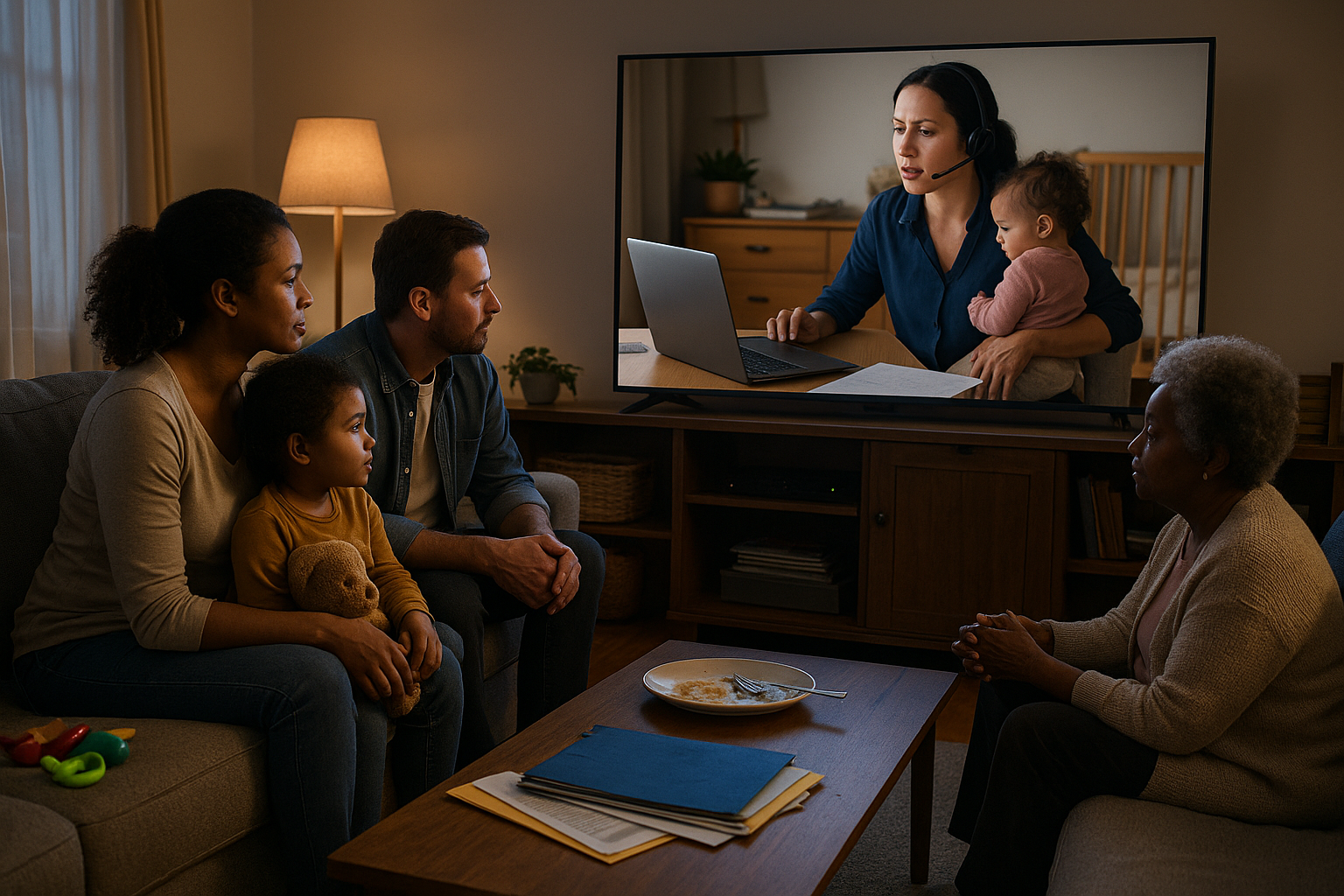
In 2025, Americans are facing a daily balancing act. The cost of living is rising, jobs are changing, caregiving is both essential and exhausting, and navigating mental health challenges is becoming a collective concern. As individuals and families search for meaning and guidance, many are finding it in the most accessible place: their screens.
A new study, The Power of Stories About Work, Family, and Care on Screen, conducted by MarketCast and commissioned by New America, sheds light on how storytelling in entertainment can help audiences understand themselves and each other. The research surveyed 1,310 U.S. streaming viewers and analyzed real-time social media conversations to explore how people respond to on-screen portrayals of everyday life.
The findings offer a clear signal to communicators, studios, and marketers alike: Audiences are craving realism, and there is strategic opportunity in delivering it.
Viewers Want Real Stories — and They’re Ready to Reward Them
The study reveals overwhelming consensus across age, gender, and political lines. A full 92% of viewers value realistic depictions of work, family, and caregiving. Notably, parents, Black and Latine audiences, and viewers earning more than $100,000 annually were significantly more likely to rank this as very important.
Even more compelling, half of all respondents said they want more stories like this, while just 4% want less. Almost 80% said they connect more deeply with characters facing similar work and family struggles.
“This research underscores the power of entertainment to help people see themselves and each other,” said Vicki Shabo, founder and director of New America’s entertainment initiative. “At a time when our country feels hopelessly divided, viewers are eager to see the things that bring us together — the relatable, common challenges of managing work, family, and caregiving.”
For communications professionals and brand strategists, the takeaway is clear. Audiences want content that reflects their lived experience, and brands that align with this emotional truth can build trust and relevance.
A Growth Opportunity for Streamers and Studios
The study also offers a commercial imperative. Sixty-five percent of respondents said they are likely to subscribe or stay subscribed to a streaming service that features authentic storytelling about work and family. That figure rises to 79% for parents and 75% for men under 35.
In a saturated streaming market with few clear leaders in this genre, that insight represents a tangible opening. Authenticity is not just good storytelling — it’s good business.
Ben Carlson, executive vice president at MarketCast, reinforced the commercial upside. “Work, family and caregiving are meaningful, universal themes that shape how people connect, consume and understand the world. That’s a powerful signal for studios and streamers looking to drive deeper engagement, grow audiences and build lasting cultural relevance.”
Examples abound. Programs like Abbott Elementary, Severance and The Last of Us have found both critical and commercial success by weaving in narratives about care, stress and family life.
Beyond Escapism: Representation That Reflects Reality
TV and film have long offered escapism, but viewers increasingly want stories that affirm their own realities. Eighty-seven percent of survey participants said they want more inclusive representation — across race, income, and family structure.
More than half said that entertainment underrepresents the real-life challenges of caregiving and workplace leave. Nearly half want to see more stories about people leaving work to provide care. And over 80% are interested in storylines that reflect how work and family stress impact mental health and relationships.
The most anticipated content themes, according to the study, match the most expected real-life experiences over the next five years. That means storylines about balancing care, work strain, and community support aren’t just resonant — they’re predictive.
What Communicators Should Learn
For brands, media strategists, and content creators, the implications are multifaceted.
Embrace Authenticity: Glossy, idealized portrayals are out. Real, complex stories about modern life are in.
Invest in Representation: Diverse characters and storylines are not only equitable — they’re in demand.
Lead With Empathy: Campaigns that validate lived experiences will resonate more deeply and spur action.
Create Cultural Relevance: Aligning with content that reflects caregiving and family complexity can humanize corporate narratives.
Whether through product placement, branded entertainment, or strategic media buying, aligning with this emerging content trend can help communicators forge deeper bonds with their audiences.
At a time when connection feels scarce, stories have the power to unify. The smartest brands and creators will recognize that power — and use it wisely.