

ABC Suspension of Jimmy Kimmel Signals New Risks for PR in Polarized Media
Here is what you will learn from this article:
How regulatory pressure, corporate partners, and political actors can converge to silence a brand voice overnight.
Why free speech controversies are now core reputational risks for companies and communicators alike.
What strategies communicators need to manage divergent media ecosystems and polarized social narratives effectively.
ABC’s decision to suspend “Jimmy Kimmel Live!” indefinitely after the late-night host’s controversial remarks about conservative activist Charlie Kirk’s assassination has escalated into one of the most significant entertainment-industry flashpoints of the year. What communicators should take note of is not just the fallout for ABC and Kimmel, but the wider implications for brands, media companies, and anyone navigating polarized public discourse.
The suspension came after Kimmel suggested the “MAGA gang” was trying to score political points from Kirk’s death. The response was swift and layered: Nexstar Media Group, one of the nation’s largest station owners, announced it would stop carrying the show. Sinclair Broadcast Group demanded a personal apology and donation to Kirk’s family and Turning Point USA. And in a move that jolted communications professionals, FCC Chairman Brendan Carr openly threatened potential action against ABC’s broadcast license.
For communicators, this convergence of political, regulatory, and corporate pressure is the central story. It demonstrates how external stakeholders, from government regulators to distribution partners, can collapse a media product in days. The lesson: crisis planning now requires anticipating not just public backlash but structural pressure from partners and policymakers.
Media and Political Reactions
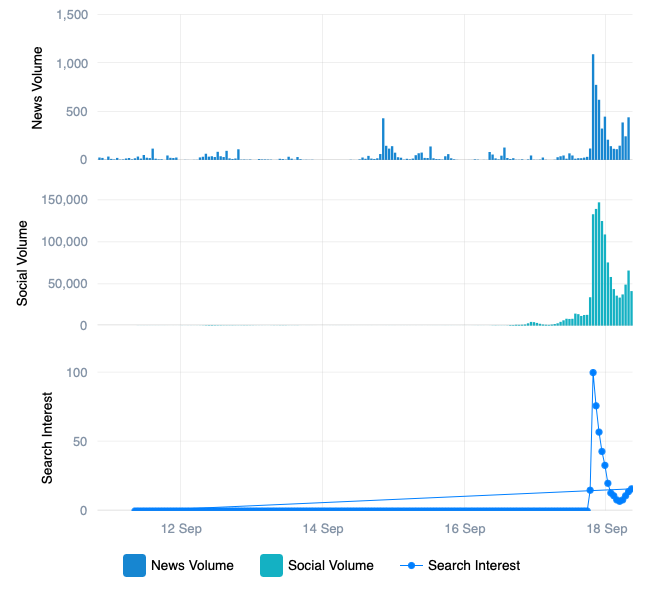
According to media intelligence firm Truescope, Kimmel’s suspension triggered a dramatic surge in coverage, search, and social activity within hours of ABC’s announcement. News outlets across the political spectrum led with the story, affiliates swapped programming with “Celebrity Family Feud,” and social media exploded with commentary from politicians, celebrities, and unions. Coverage will peak within 24 hours, with conservative and liberal outlets devoting extensive attention and fueling debates about censorship, media freedom, and political influence.
President Trump amplified the pressure, celebrating the suspension on Truth Social, mocking Kimmel’s ratings, and calling for NBC to pull Jimmy Fallon and Seth Meyers. Hollywood unions, including the Writers Guild of America, countered with strong condemnation, labeling the suspension a violation of free speech. Democratic Senator Ed Markey called it “censorship in action” and warned of a chilling effect created by FCC threats.
The coverage illustrates the partisan divide. Conservative outlets like the New York Post highlighted Kimmel’s anger and Trump’s victory lap. Liberal publications such as MSNBC, DW News, and UniteWomen.org framed the suspension as corporate capitulation to political interference. Neutral business outlets including Bloomberg emphasized the regulatory dimension, underscoring FCC involvement as precedent-setting. For communicators, this divergence underscores the importance of tailoring messaging for different media ecosystems while maintaining a consistent core narrative.
Social Media Narratives
On social platforms, battle lines formed quickly. Conservative users celebrated the suspension and called for further cancellations, including The View. Progressive voices, joined by celebrities such as Ben Stiller and Jamie Lee Curtis, rallied to Kimmel’s defense, warning that government influence over media set a dangerous precedent. Analysts like David Frum noted that the involvement of federal regulators shifted the debate from “cancel culture” into the realm of “state repression.”
For communicators, the social response highlights the way narratives harden in real timealong ideological divides and cement the narratives that shape mainstream coverage. The amplification of hashtags, celebrity endorsements, and political commentary ensured the suspension became not only a news story but a cultural litmus test. Monitoring, anticipating, and engaging in these online narratives is an essential function of reputation management.
Why This Matters for Communicators
This episode underscores three strategic lessons:
Entertainment is Political: Late-night comedy has always carried political edges, but now every joke sits in the crosshairs of regulatory and corporate decision-making. Communicators must evaluate satire and commentary not just for taste and tone, but for regulatory and political exposure.
Stakeholder Complexity: Brands and networks answer to advertisers, affiliates, unions, regulators, and audiences simultaneously. Communicators need risk frameworks that account for these competing pressures and anticipate scenarios where one stakeholder’s demands threaten another’s trust.
Free Speech as a Business Risk: Whether one views this as accountability or censorship, free speech itself has become a reputational flashpoint. Communicators will need to advise executives on how to respond when a free expression controversy collides with brand safety or shareholder demands.
The suspension of “Jimmy Kimmel Live!” is more than a crisis for one host or network. It is a case study in how political pressure, corporate alignment, and regulatory power can converge to silence any voice. For communicators, it’s a reminder that the stakes of speech, whether in comedy, marketing, or corporate commentary, have never been higher.