

Why Cable Political News Still Misses the Mark
Every new year, cable news promises sharper insight, deeper reporting and clearer explanations of the issues shaping public life. And every year, cable political programming largely delivers the opposite.
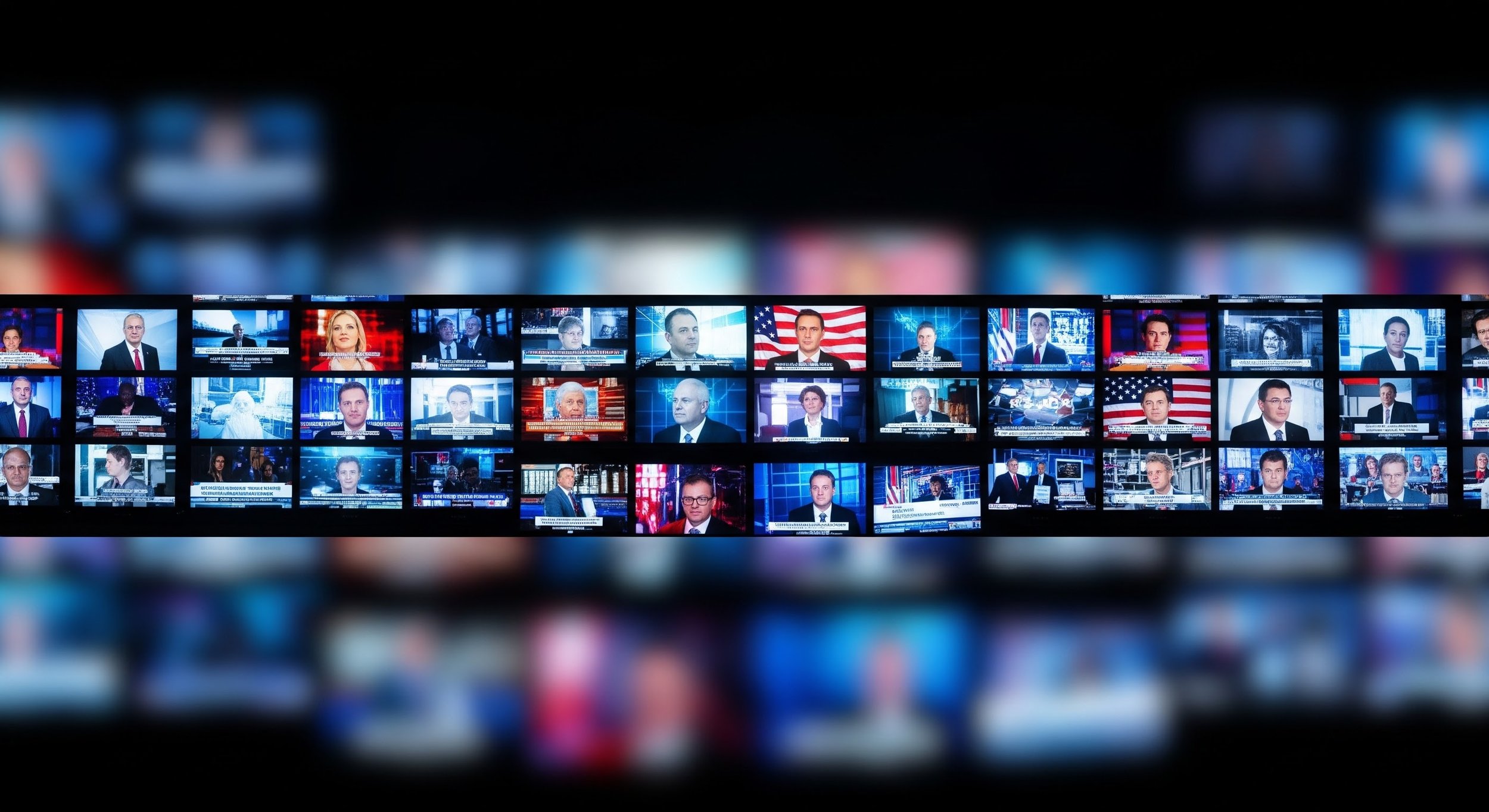
Instead of providing viewers with context and expertise, many cable shows condense complex events into brief segments, recycle reporting first published elsewhere and label it “breaking news,” and substitute opinion for analysis. The result is political coverage that often falls short of the standards long upheld by respected print journalism.
This is not a partisan critique of opinion shows. Commentary is commentary. The problem lies with cable programs that present themselves as news or media criticism while allowing incomplete, biased or poorly sourced claims to go unchallenged.
A recurring example is how cable reporters and guests often speak as if they are subject-matter experts when they are not. During recent coverage of Senate hearings involving Robert F. Kennedy Jr.’s nomination to lead the Department of Health and Human Services, a CNN correspondent dismissed claims linking vaccines and autism as “obviously scientifically not true,” without explaining why. That conclusion may be correct, but stating it without evidence or context is not reporting. Minutes later, CNN’s chief medical correspondent did what should have been done initially, citing thousands of studies disproving any link. That distinction matters. Journalism requires explanation, not assertion.
Cable panels frequently compound the problem by confusing expertise with credentials. Guests cite coursework, personal background or political alignment as justification for sweeping conclusions on economics, public health or national security. Studying a subject does not make one an expert, and cable news too often blurs that line.
Media criticism programs should serve as a corrective. Yet some shows marketed as neutral analysis regularly allow ideologically driven guests to repeat extreme claims with little or no pushback. When hosts fail to challenge misinformation in real time, they become conduits rather than moderators.
The structure of cable panel shows also works against clarity. Programs that pit opposing political voices against each other in rapid succession often muddy facts rather than illuminate them. Viewers are left with dueling narratives instead of an understanding of what is true, what is disputed and what remains unknown.
Occasionally, cable gets it right. When programs bring in genuine subject-matter experts, slow down the conversation and provide historical and economic context, the difference is immediately apparent. These moments prove the format itself is not the problem. Editorial discipline is.
Another troubling trend is how cable news elevates pundit disagreements into major stories simply because the personalities involved are familiar. When commentary becomes the headline, journalism loses its purpose. Not every opinion merits amplification, and not every internal dispute deserves wall-to-wall coverage.
Cable news also remains heavily reliant on rehashing reporting already done by print outlets, often without attribution or additional insight. Original reporting is rare. Too often, viewers receive analysis of analysis, layered with opinion.
For communications professionals, these shortcomings matter. Cable news still shapes public perception, drives social media narratives and influences stakeholder understanding. When coverage lacks depth or accuracy, it complicates crisis response, reputation management and public trust.
The contrast with print journalism is telling. While far from perfect, established print outlets continue to prioritize sourcing, verification and context. Cable news would do well to borrow those disciplines rather than chase immediacy and outrage.
After years of watching these patterns repeat, the conclusion remains the same. Cable political programming, with few exceptions, is a poor substitute for serious reporting. Viewers deserve better than recycled headlines, unchallenged opinion and the illusion of expertise.
Breaking news should break new ground. Too often on cable, it simply breaks trust.