

Once I Rescued People. Now I Rescue Reputations.
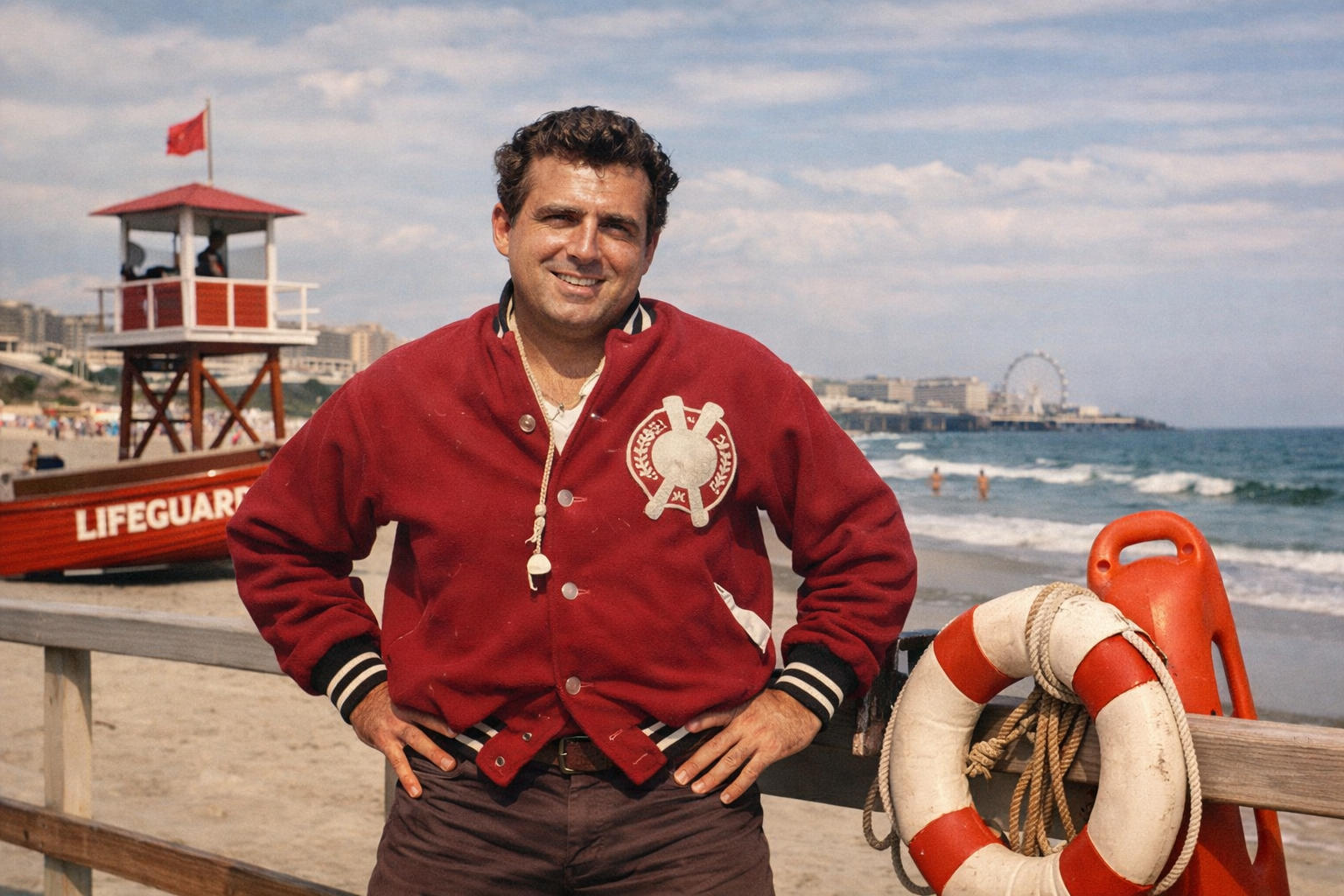
When people ask me what I do for a living, I say I’m finishing where I started on a busy beachfront in Atlantic City, N.J. Only now I’m a different kind of lifeguard. Instead of ocean bathers, I’m looking out for and sometimes rescuing reputations.
Whenever I see one caught in the rip currents of malicious lies intended to tarnish it, or in attempts to drown it in disrepute and disgrace, I leap into action.
What I practice today is called crisis management.
While this may sound like self-promotion, it actually offers some useful insights for businesspeople, particularly owners who find themselves slammed by false accusations that can be not only unfair but financially damaging.
Reputational Lifeguard
More specifically, you could say that today I serve as a reputational lifeguard for my clients. The whistle I blow now alerts the media as part of a public relations campaign designed to create a reputational lifeline. In many cases, the best response to false claims is publicity for the truth.
In fact, I am preparing to testify at a trial in California on behalf of a former client who alleges that a disgruntled individual spread false claims that caused him to lose significant business. He is seeking several million dollars in damages.
Today my mission is to protect what matters most to many founders and CEOs of leading companies and organizations: their reputation for telling the truth and operating fairly and honestly. Over the years, I have helped the CEOs of some of the country’s largest companies overcome false and damaging accusations.
Adversaries can sometimes become determined enemies, chipping away at strong reputations for their own benefit and attempting to undermine businesses for a share of the action. That is when crisis managers like me step in to set the record straight. Like true lifeguards, we work to rescue reputations before the damage becomes overwhelming.
No Drowning on My Watch
Today reputational crises move faster than ever. False claims and even AI-generated misinformation can spread across digital platforms in minutes. That makes the work of crisis managers and communications professionals more important than ever in protecting truth and trust.
I always look forward to seeing justice prevail when clients receive well-deserved compensation from those who defame them. I can testify firsthand to how damaging defamation can be and how costly it is to a business.
One of my clients was AT&T, once known as “Ma Bell,” which I helped defend when it faced misinformation during a dispute with the Federal Trade Commission. In those moments, I rely on the tool I know best: publicity used in service of the truth.
My professional experience allows me to articulate the scope and scale of reputational damage caused by defamatory statements in high-profile industries. I have worked extensively in public relations, crisis management and reputation repair, particularly in cases where individuals or businesses have been harmed by false public claims.
In my experience, defamation, particularly when it falsely alleges criminal conduct, can have severe and lasting consequences for a professional’s career and business prospects. Such claims undermine trust, damage business relationships and require significant resources to repair.
In industries that rely heavily on personal credibility, such as sports sponsorship and corporate partnerships, the effects can be especially severe.
Based on my experience in reputation management and public relations, individuals facing false allegations of fraud or misconduct often experience immediate and substantial harm, including:
Loss of business opportunities due to damaged credibility
Difficulty securing future partnerships and sponsorships
Significant costs associated with crisis management and reputational repair
Emotional and psychological strain caused by defending against baseless claims
In the end, reputations are like swimmers in open water. Most days they move forward without trouble. But when dangerous currents appear, they need someone experienced watching the horizon. My job is to spot the danger early, blow the whistle when necessary, and make sure the truth reaches shore before a good name goes under.
