

Cracker Barrel Reverts Logo After Political Pressure and Backlash Fueled by Digital Missteps
Here’s what you’ll learn when you read this article:
Why Cracker Barrel’s attempt to modernize its logo backfired and led to a political firestorm
How legacy brands can lose control of their narrative without proactive crisis communication strategies
What marketers must understand about balancing brand evolution with emotional loyalty and cultural identity
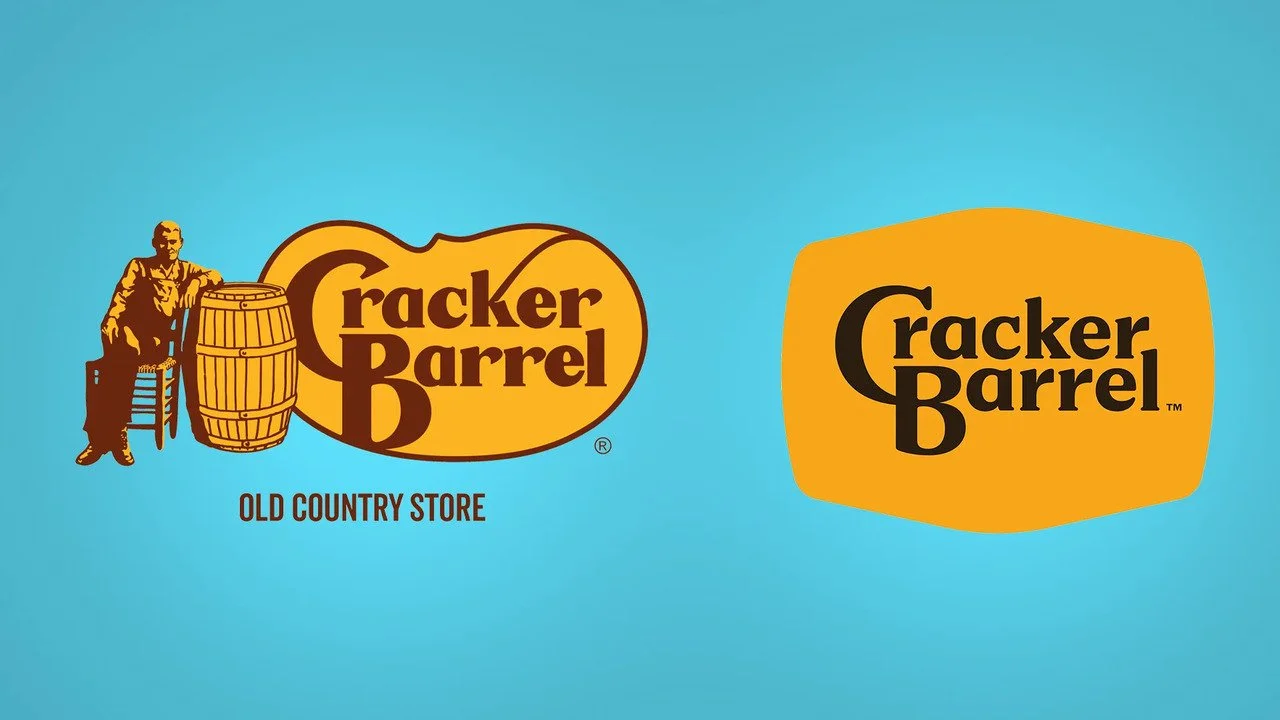
In yet another example of a legacy brand underestimating the power of public sentiment, Cracker Barrel has reversed its recent logo redesign following a surge of criticism, much of it political and most of it preventable. The company’s attempt to modernize its image through the “All the More” campaign replaced its iconic “Uncle Herschel” figure and “Old Country Store” slogan with a simplified, text-only logo.
The reaction from loyal customers and conservative media was immediate and hostile. Critics accused the company of abandoning its heritage in pursuit of corporate trendiness. Former President Donald Trump weighed in, calling on Cracker Barrel to restore its original logo and imagery. Reports soon emerged that the company received a call from the White House. Within days, Cracker Barrel announced that it would reinstate its classic branding.
The incident did not just create cultural friction. It also affected the market. Following the logo reversal, Cracker Barrel stock rose more than six percent. The company’s backtrack was viewed by investors as a course correction to protect the brand’s reputation and customer loyalty.
To understand the stakes, it helps to understand what Cracker Barrel represents to its core audience. The chain has become a symbol of nostalgic Americana, presenting itself as a mom and pop country store while functioning as a national corporation. In many ways, it is the Trader Joe’s of Republican strongholds, carefully curated to appear homespun while backed by corporate scale and strategy.
This is not the first time Cracker Barrel has struggled with public outcry online. As detailed in CommPRO’s earlier article, “The Cracker Barrel Saga – A Lesson In Social Media Crisis Management,” the brand’s response to the viral “Brad’s Wife” episode showed how damaging silence can be during a social media firestorm.
Despite the lessons from that crisis, the company repeated similar mistakes in 2024. That year, Cracker Barrel faced criticism over a curbside pickup policy that left customers frustrated. A separate incident in Waldorf, Maryland, involving the alleged refusal of service to special needs students, ignited even more public outrage. While the company issued apologies in both cases, it was slow to respond and failed to control the narrative.
The redesigned logo, part of a $700 million modernization initiative, was intended to revamp Cracker Barrel’s brand appeal for a broader audience. Instead, it alienated longtime supporters who viewed the changes as a rejection of the company’s roots. The backlash became a textbook case of how not to handle heritage branding.
Marketers should take away three critical lessons.
First, brands with deep emotional resonance must treat their identity with care. Consumers are not just attached to the product or service. They are loyal to the meaning behind the brand. Sudden shifts without explanation can feel like betrayal.
Second, silence is not strategic. It is damaging. In the absence of a clear message from the company, consumers and critics will shape the narrative themselves. Cracker Barrel allowed others to define its story at the exact moment it needed to lead.
Third, crisis communications must work hand in hand with marketing. Rebranding is not just a design exercise. It is a conversation with your audience. That conversation must be guided by empathy, cultural awareness, and the ability to respond swiftly when tensions rise.
Cracker Barrel’s logo controversy should be a warning to all marketers and communicators. Brand equity is built over decades but can be damaged in days. Modernization should never come at the cost of core identity. When it does, the result is not just poor branding. It is crisis.
The lesson remains the same: acknowledge issues early, engage with customers authentically, and guide the conversation before social media does it for you.