

Where AI Ends and Leadership Begins
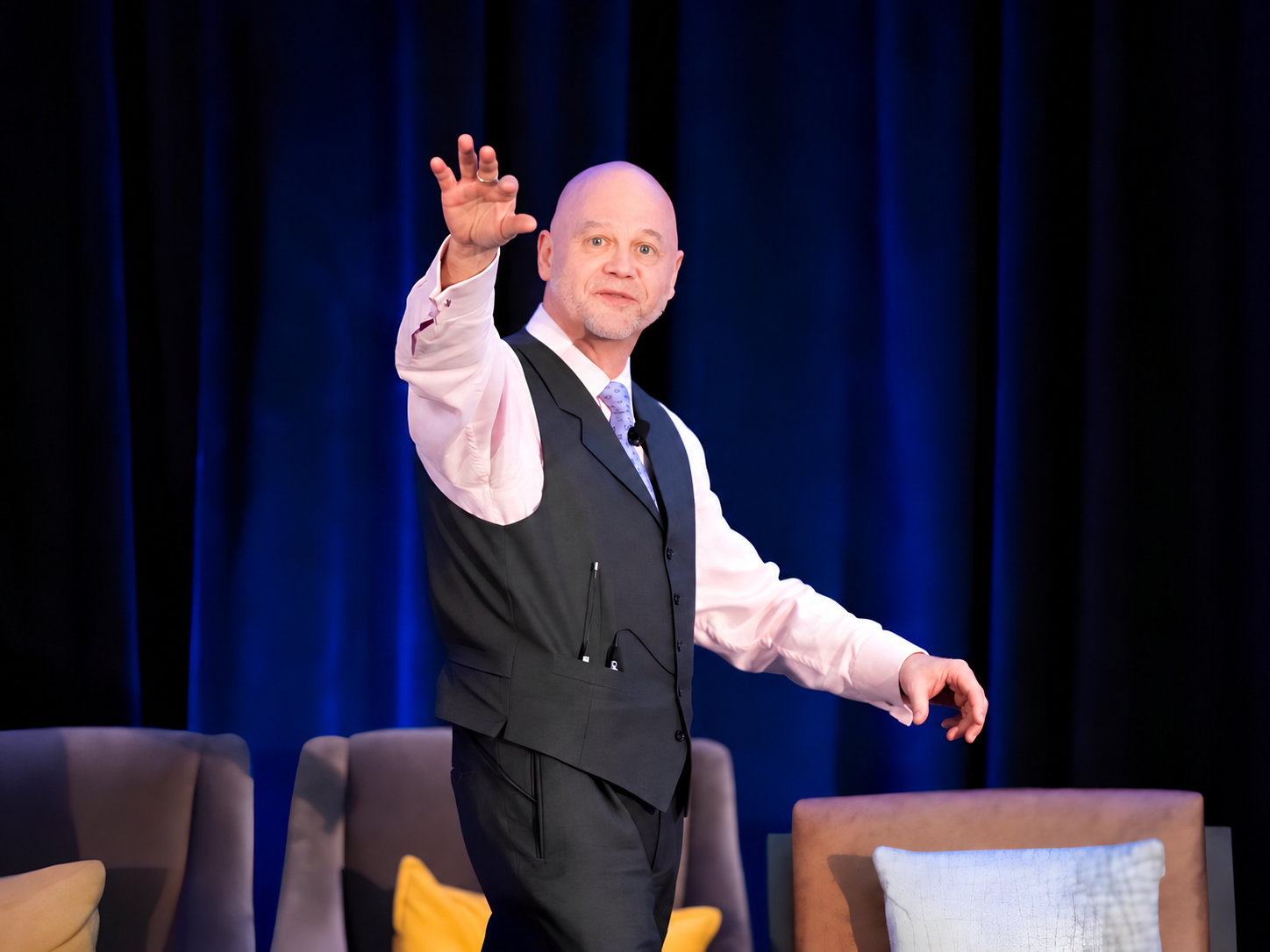
Photo credit: Claire Tsai
Editor’s Note: For CommPRO’s Trusted Advisor Initiative, Helio Fred Garcia talks about AI, leadership, human judgment, ethical clarity and what it really means to be a trusted advisor.
I went into my conversation with Helio Fred Garcia wanting to talk about artificial intelligence, but I came out of it thinking much more about people. And maybe that is one of the most important conversations we can have right now.
As AI becomes embedded in communication, the questions are no longer simply about what the technology can do. They are also about what it cannot do, what we should not ask it to do and, most importantly, what remains uniquely human in the relationship between a trusted advisor and a leader.
Fred has spent decades studying leadership, crisis, communication and trust. As president of Logos Consulting Group and a professor at New York University and Columbia University, he has advised leaders when the stakes were high and the answers were rarely simple. His view of AI is neither fearful nor dismissive. He sees enormous value in technology that can process information, identify patterns, organize thinking and help communicators work faster and smarter. But he also sees an important distinction between providing information and providing counsel.
A trusted advisor does much more than answer the question being asked. The advisor has to understand the person asking it, the circumstances surrounding the question and, sometimes, what isn't being said at all.
“You need to be able to do more than listen to the words,” Fred told me. “You need to be able to listen to their bodies.”
That stayed with me because it gets to the heart of what leadership counsel really is. A senior communicator sitting across from a CEO isn't simply processing the words being spoken. They are reading the room and trying to understand whether the leader is anxious, defensive, angry or uncertain, and whether there is something behind the question that needs to be understood before any answer can be useful. Sometimes the most important part of the conversation is the pause before someone responds.
AI can analyze language, provide information and help us anticipate scenarios, but it cannot fully replicate the human judgment that comes from understanding another person in a particular moment. For Fred, that judgment also carries an ethical responsibility because being a trusted advisor doesn't mean telling leaders what they want to hear. Often, the greatest value an advisor brings is the willingness to say what a leader does not want to hear.
Of course, that requires courage and trust. The strongest advisors earn the ability to challenge because leaders know they are acting in the organization's best interest. They understand the business, the stakeholders and the consequences of decisions, and they know not only when to speak, but how to say something difficult in a way that can actually be heard.
As AI becomes more powerful, that distinction becomes even more important. The danger isn't simply that AI will replace communicators. The greater risk may be that we begin outsourcing too much of our judgment to technology because it is fast, convenient and increasingly persuasive. Fred's perspective is an important reminder that speed is not the same as wisdom, and access to more information does not necessarily lead to better judgment.
For communication leaders, I think that creates both a challenge and an opportunity. We need to understand AI and learn how to use it well because ignoring it isn't an option. At the same time, the more capable the technology becomes, the more valuable distinctly human skills may become: judgment, empathy, courage, curiosity and the ability to build relationships strong enough to withstand disagreement.
Those qualities have always mattered in communication, which is one reason this conversation feels like the right place to continue CommPRO's Trusted Advisor Initiative. We're spending a lot of time talking about technology, transformation and the future of communication, but Fred reminded me that the future of trusted counsel will still depend on something much older and much harder to automate.
Sometimes a leader doesn't need another answer. They need someone who understands the question behind the question, has the judgment to know what really needs to be said and has earned enough trust to say it.
They need a trusted advisor.
