

TIME’s Sam Jacobs Pushes Media Forward While Protecting Its Legacy
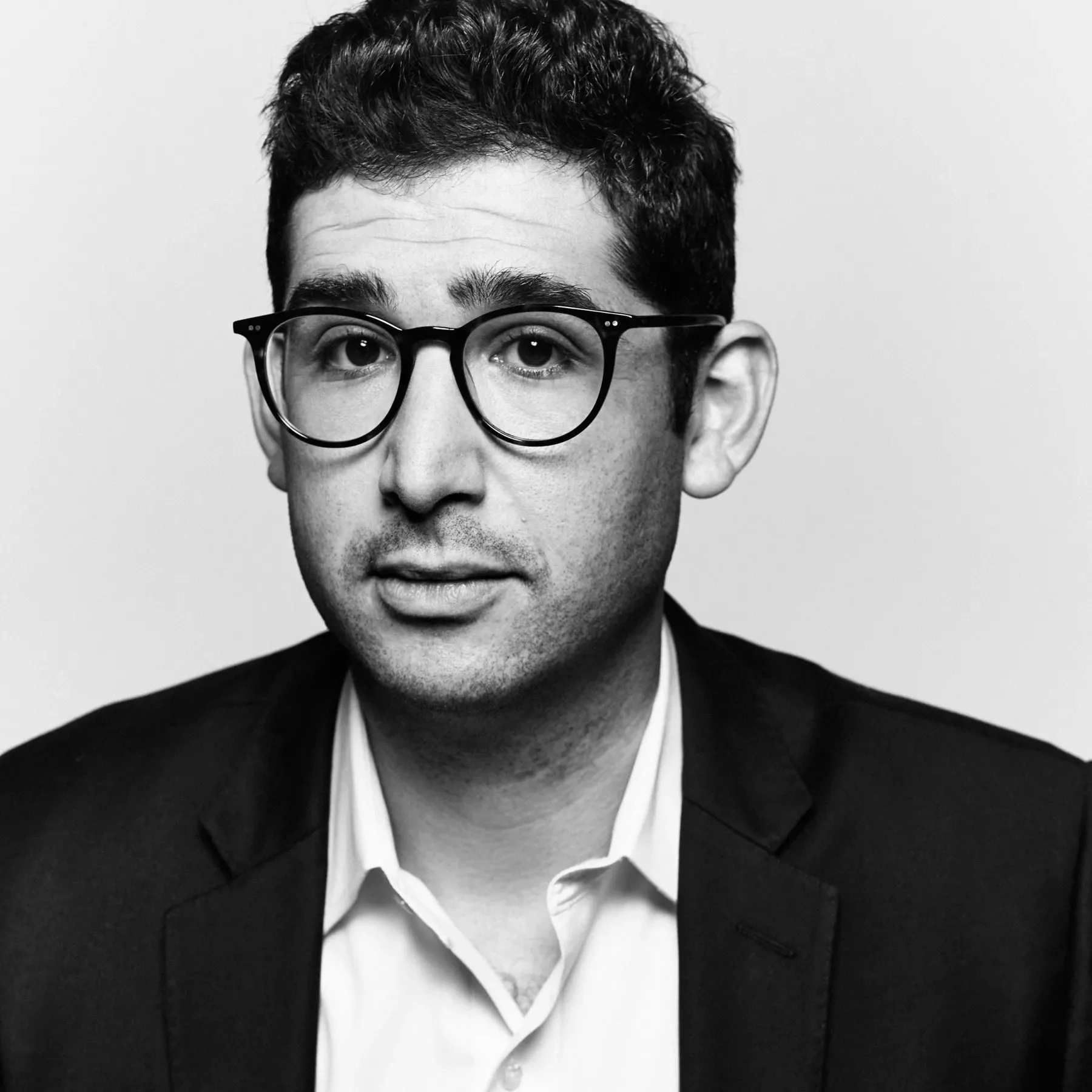
Photo credit Peter Hapak for TIME
TIME Editor-in-Chief Sam Jacobs is navigating one of the most complex moments in publishing history. In a recent wide-ranging interview with Samir “Mr. Magazine” Husni, Jacobs offered a candid view into how a century-old news institution adapts to technological shifts while safeguarding the editorial values that built its reputation.
For communicators, Jacobs’ insights carry a clear message: credibility and adaptability must go hand in hand.
AI as a Tool, Not a Substitute
Jacobs spoke at length about TIME’s embrace of artificial intelligence. The publication has launched the TIME100 AI list, positioned itself as a bridge between innovators and the public, and entered into partnerships with leading AI companies to expand distribution.
Yet Jacobs was firm that AI cannot replace human judgment. “It’s very useful to have someone to talk to,” he said of using tools like ChatGPT and Claude. “But that’s not to say they’re writing the lines.” The real opportunity, he added, lies in distribution and discovery—helping TIME’s journalism reach global audiences in multiple languages and formats.
For communicators, the lesson is clear: AI can enhance reach and efficiency, but credibility still comes from human voices. Media leaders are closely watching how brands balance efficiency gains with authenticity.
Print as Cultural Real Estate
Despite digital expansion, Jacobs was unequivocal on the continued relevance of print. “There’s no more valuable real estate in media than the TIME cover,” he said, noting its enduring power to confer authority and spark conversation. Taylor Swift’s selection as Person of the Year in 2024, for example, generated both cultural buzz and an unusually high 200,000 newsstand sales.
Communicators should not overlook the value of physical presence and scarcity. In an era of endless digital feeds, tangible moments of visibility can still deliver disproportionate impact.
TIME 100 and the Power of Community
TIME’s iconic Person of the Year and TIME 100 lists are not just editorial features but central drivers of the brand’s live events strategy. Jacobs said the company has scaled from three or four live events annually to nearly 35, transforming its journalism into in-person community building.
For communicators, this signals the future of brand storytelling: journalism and corporate messaging increasingly move off the page and into experiential spaces. Building communities around trusted content—whether through events, memberships, or interactive formats—is now an essential growth strategy.
Reaching Younger Audiences Without Losing Older Ones
Nearly half of TIME’s audience is under 35, thanks in part to its social media presence and strategic coverage decisions. Jacobs cited the Taylor Swift cover as an intergenerational connector, drawing in both nine-year-olds at sleepovers and long-time subscribers.
This dual audience strategy underscores a crucial point for communicators: relevance across generations requires careful editorial calibration. Brands that succeed will respect heritage while innovating in ways that resonate with new cohorts.
A Profession Worth Defending
Asked about the future of magazines, Jacobs resisted the pessimism often associated with print. “It’s a terrible thing to work in a profession and tell people they shouldn’t be doing your profession,” he said. Instead, he highlighted the new models emerging in publishing—from Substack communities to niche startups—that continue to echo the emotional resonance of magazines.
For communications professionals, Jacobs’ optimism is a reminder that storytelling remains a durable craft. The medium may evolve, but the hunger for trusted voices and curated narratives is timeless.
As Jacobs concluded, “The strong brands figure out a way to hold on to their value, hold on to their heritage, find new audiences, use new distribution mechanisms.” That’s a playbook every communicator should be studying.