

Marketers Who Still Plan Campaigns by the Clock Are Already Losing
In 2015, Jesse Redniss and Nick Cicero coined the term “Audience Parting,” calling for the ad industry to move beyond dayparts and into something more dynamic: connection. “The most valuable media moment wasn’t a time slot—it was a connection. Reaching the right person, in the right mindset, with the right message,” they wrote.
Now, in 2025, that provocation has become a blueprint—and it’s no longer just about advertising. It’s about marketing communications in its most strategic form.
Why Audience Intelligence Is Now a Communications Imperative
Redniss and Cicero put it bluntly: “The audience didn’t fragment—it fractaled.” Today’s consumer is a moving target, consuming content across CTV, TikTok, podcasts, email newsletters, livestreams, and beyond. For communicators, this demands a fundamental rethinking of how campaigns are built, messages are shaped, and impact is measured.
Gone are the days of one-size-fits-all marketing blasts. Now, resonance trumps reach, and identity matters more than impression count.
From Audience Plumbing to Precision Messaging
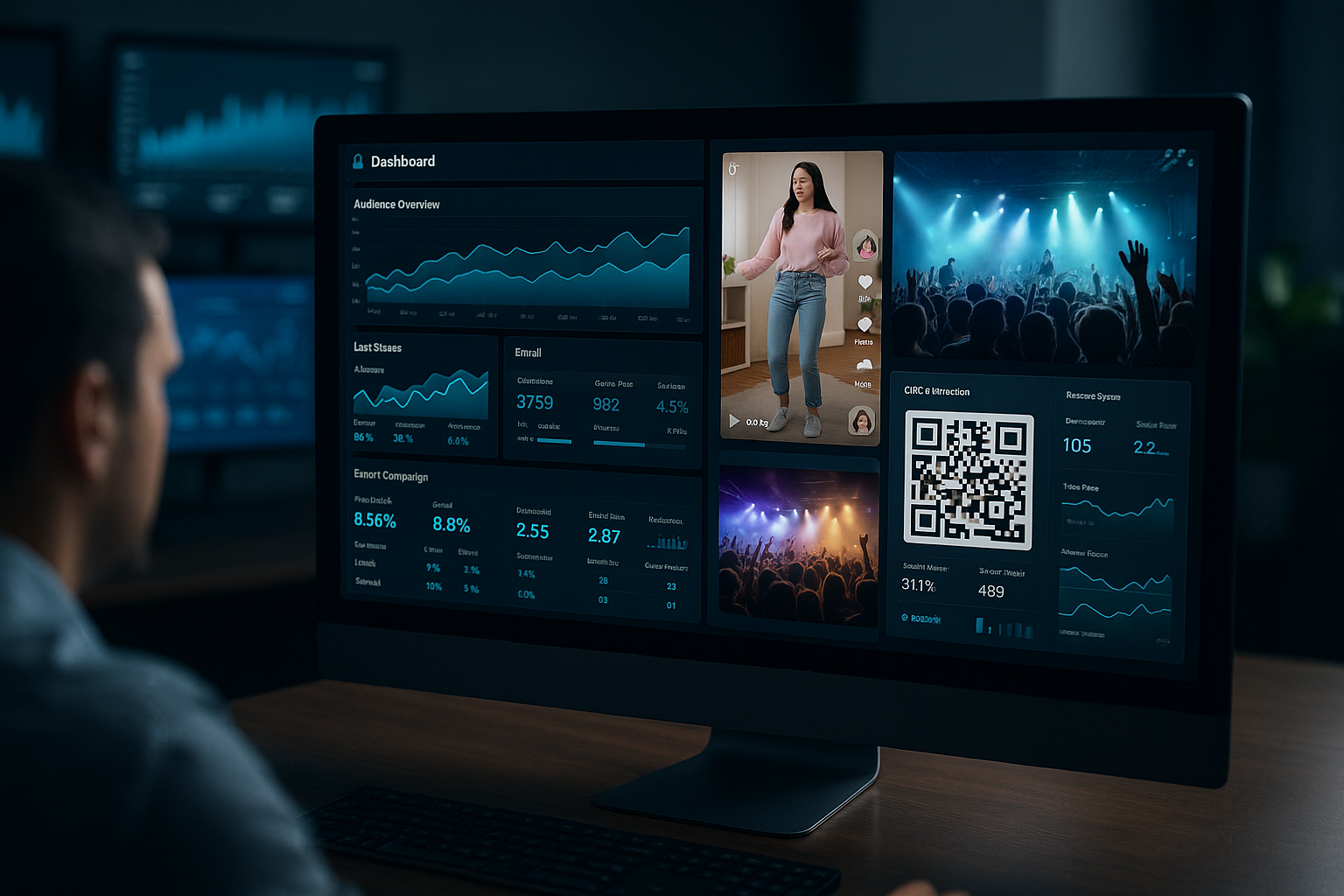
The article describes a shift “from plumbing to precision,” where owning the data is the real power move. For marketers, this means moving beyond third-party measurement to harnessing first-party signals, such as email performance, QR engagements, newsletter responses, and podcast feedback loops.
This shift is urgent. “Audience intelligence is no longer reserved for the few with Nielsen budgets,” Redniss and Cicero note. “It’s being democratized.”
Marketers who understand how to unlock and interpret this data can not only tailor messages but also validate impact, making them indispensable to the C-suite.
Creators Are Winning the Eyeballs—But Not the Budgets
There’s also a sharp warning for those involved in influencer or creator-based marcomms. While creators dominate consumer attention, they’re not capturing proportional ad spend. As media analyst Mike Shields puts it, “Despite excitement and increased brand activity, there’s a significant gap between time spent with creator content and advertising spend in that area.”
Redniss and Cicero argue this isn’t a content issue—it’s a measurement issue. Communicators must step up to prove the value of creator partnerships, using native performance data and integrated analytics to tell the full ROI story.
The Rebundling of Media Is a Messaging Opportunity
The return of bundling—via FAST channels, cross-platform packages, and aggregation layers—is a chance for communications pros to rearchitect narrative flows. Instead of chasing one viral hit, smart communicators are designing multi-touchpoint campaigns that travel with audiences across mediums, optimizing for continuity and conversion.
As Redniss and Cicero point out, “Live content is ascendant again… the new ‘prime times’ where culture meets commerce.”
This is a clarion call for communications teams to rethink “prime time” not as a time of day, but as a context of intent—from fan livestreams to breaking creator content.
Proof Beats Promise
Perhaps the most powerful message in the article is this: prove it or lose it.
In this new era, audience means verified identity. Value means measurable lift. Attention is a currency, and it’s priced “based on what happens next.”
Marketers are no longer just storytellers. They must become signal translators—decoding identity, context, and outcomes to align messaging with measurable business impact.
Let Go of the Grid. Embrace the Graph.
Redniss and Cicero close with this directive: “Stop thinking in blocks of time. Start thinking in blocks of people.”
For communicators, this means replacing the old calendar-driven cadence with a graph-driven strategy—one that maps audience behavior, sentiment, and intent in real-time. Those who understand their audience and their signals will win. Those who cling to past frameworks will be left behind.