

Executive Visibility, In Good Times And Bad
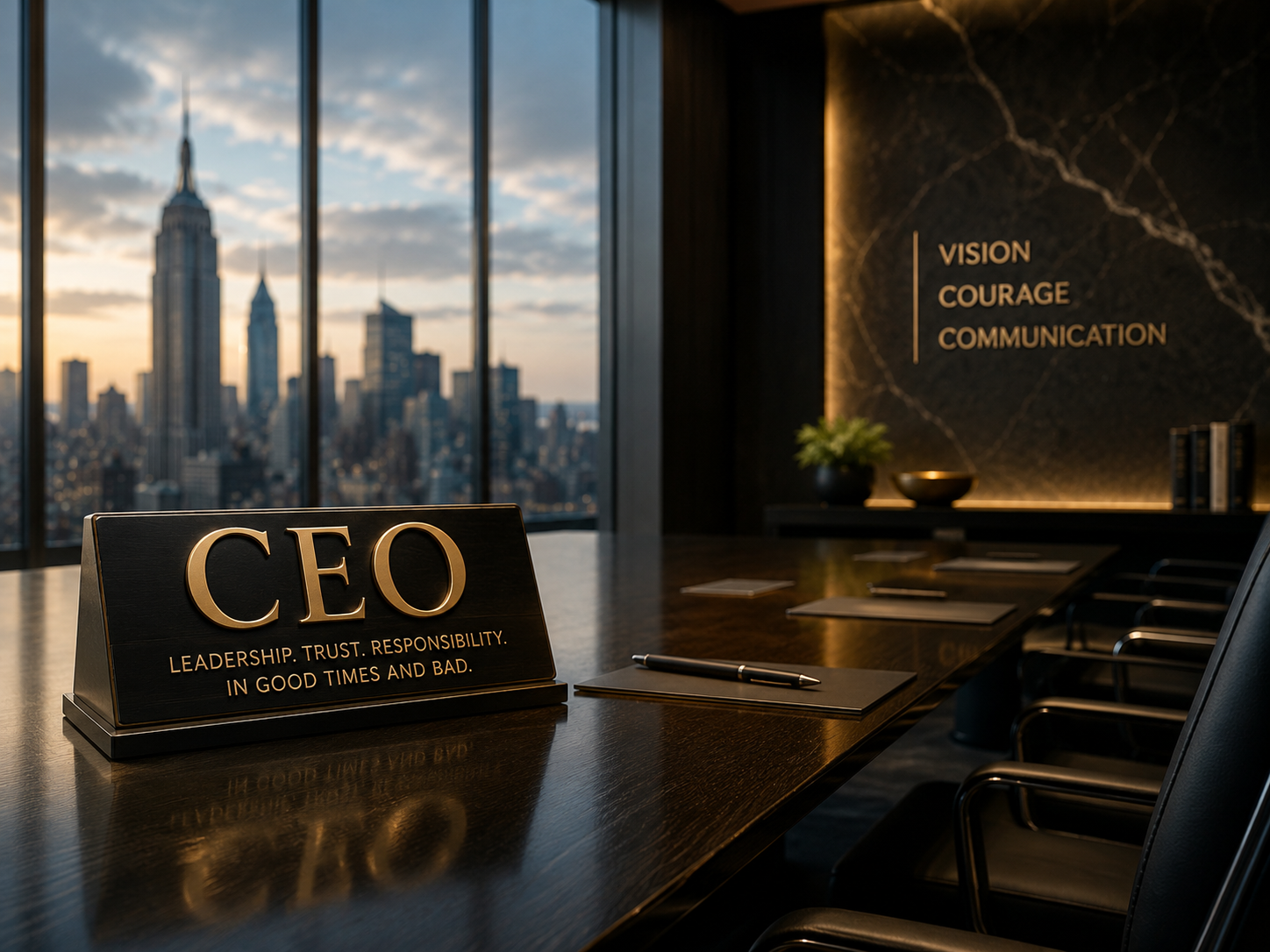
After years of advocating for leaders to “own the narrative” through increased access and visibility, this decade has seen a rewarding shift.Today’s executives are engaging more directly on LinkedIn, podcasts, Substack, town halls, Slack and other places where they can build stronger stakeholder connections and align culture with their vision. This shift has additional benefits, including boosting GEO/LLM visibility with primary-source content, building trust and connection with stakeholders, and adding some personal style and meaning to an organization’s mission. This shift creates real value. It should continue.
Yet, these same leaders must also be prepared to be as visible, if not more visible, when things get bumpy. The days of “hiding executives until needed” in a crisis is a bygone concept for these more proactive leaders. A sudden shift to silence or PR-speak during turbulence feels like a betrayal to stakeholders and employees. Furthermore, if leadership doesn't set an early narrative with its people, they cede ground to leaked memos, employee TikToks, and Reddit threads.
This raises key questions. Among them:
Are the more proactive leaders ready and willing to be accessible, visible and forthright during bad times?
Are they specifically trained to manage the nuance of communicating during challenging situations, when stakeholders may be more skeptical?
Is there adequate structure in place to achieve the speed required to address the workforce quickly and deeply, before employees get notified by external means?
Can Legal and Comms teams align quickly to ensure that issues or crisis messaging isn’t stripped of the tone or candor of established proactive communications?
Which CEOs maintain visibility through good times and bad? Brian Chesky of Airbnb stands out. Having long cultivated stakeholder engagement, Chesky managed pandemic-era layoffs with compassion and radical transparency, then live-streamed town halls to illustrate his decisions with direct answers. Similarly, Satya Nadella (Microsoft), Mary Barra (GM), and Ed Bastian (Delta) have proven that consistent, visible leadership remains vital during crises as in peacetime.
How do leaders get to that level? The antidote is tried and true reputation resilience work, before something goes wrong. This takes more than just good intentions. It demands advanced work to stress-test your organization, identify your biggest risks and game-planning to ensure teams align quickly, execute with speed and remain on the same page.
These elements must be in place for today’s visible leader to succeed. After all, true leadership is the ability to stand in front of the room to celebrate victories, and also to steady a ship when the storm hits.