

Communications Leaders Push for Truth and Accountability in Storytelling







What you will learn from this article:
Why communicators must focus on material business impact, resist both greenwashing and greenhushing, and embrace transparency even when goals shift.
How audience-first storytelling, simplicity, and shared language can cut through fatigue and build credibility with consumers, employees, and stakeholders.
What it takes to re-establish trust in a “reality-optional culture,” with leaders calling for proof points, honesty, and stories that resonate
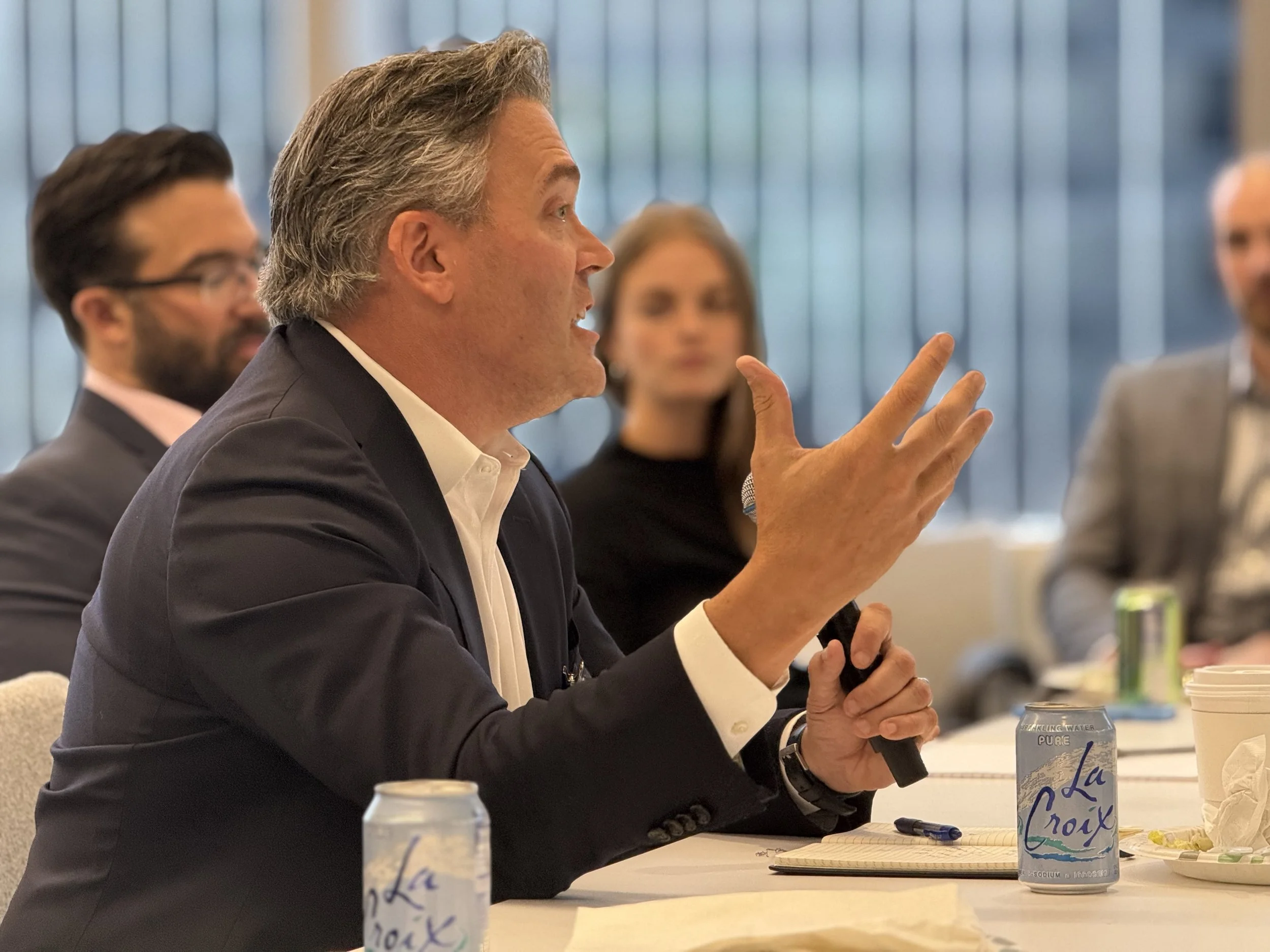
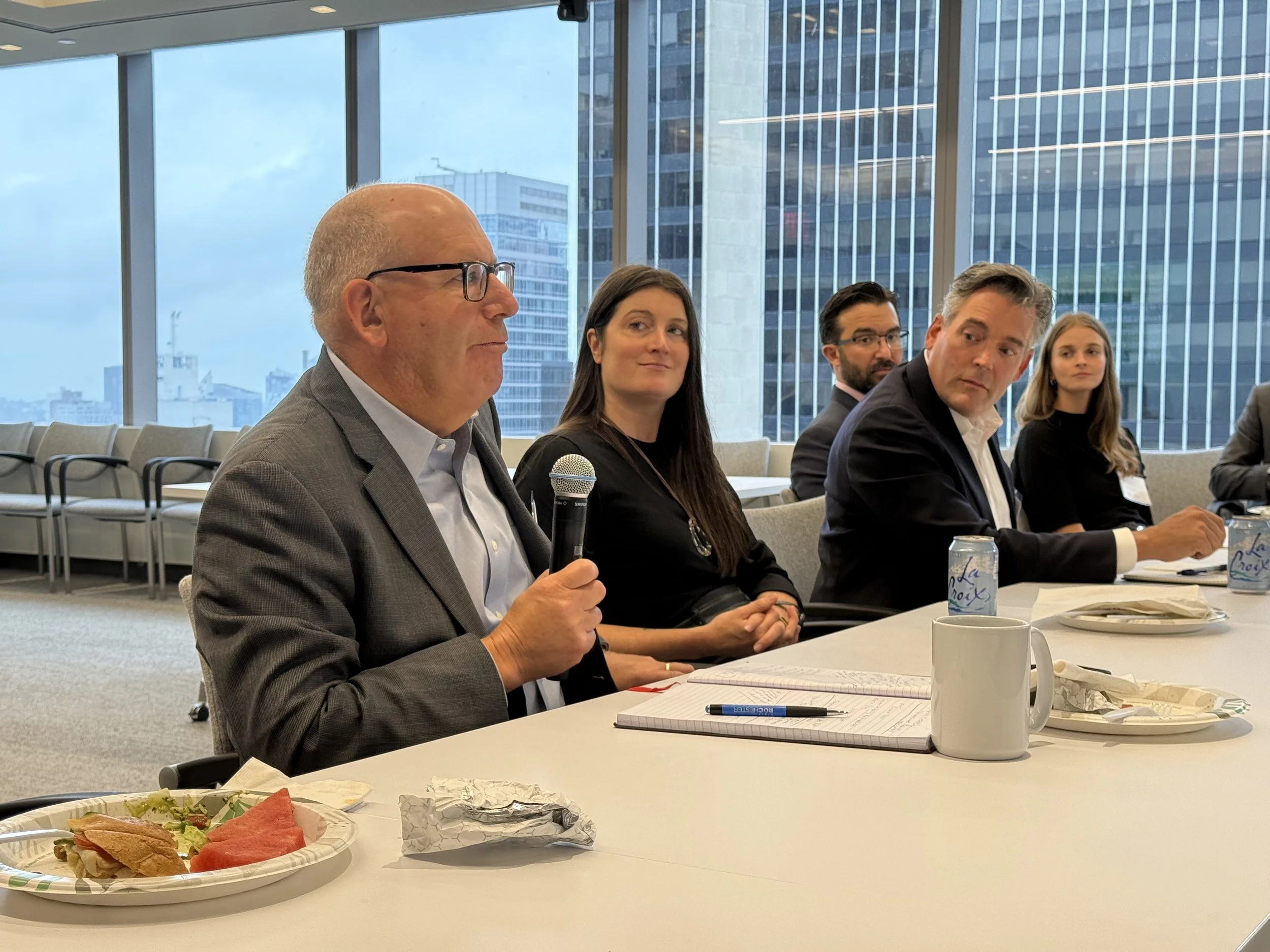
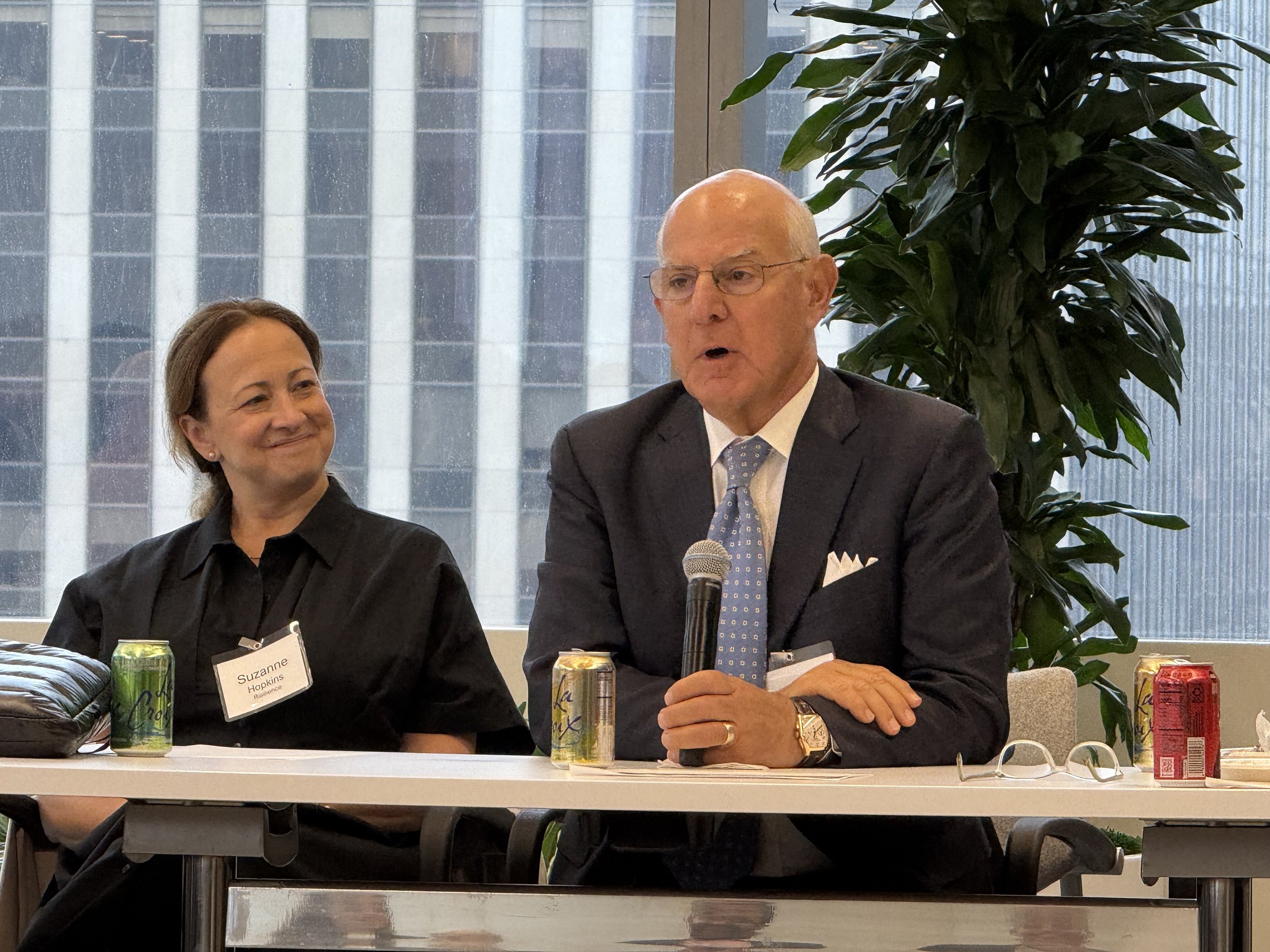
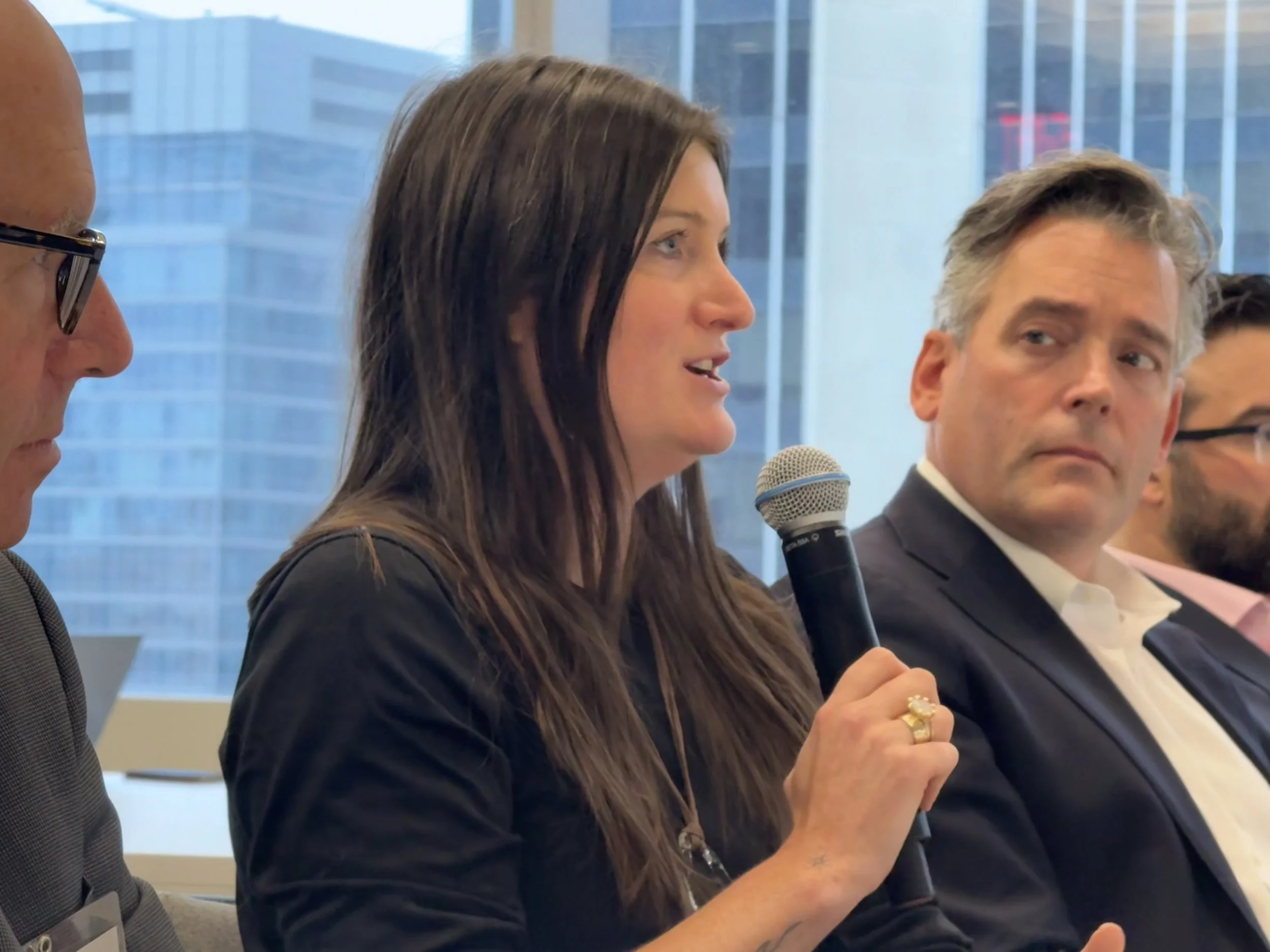
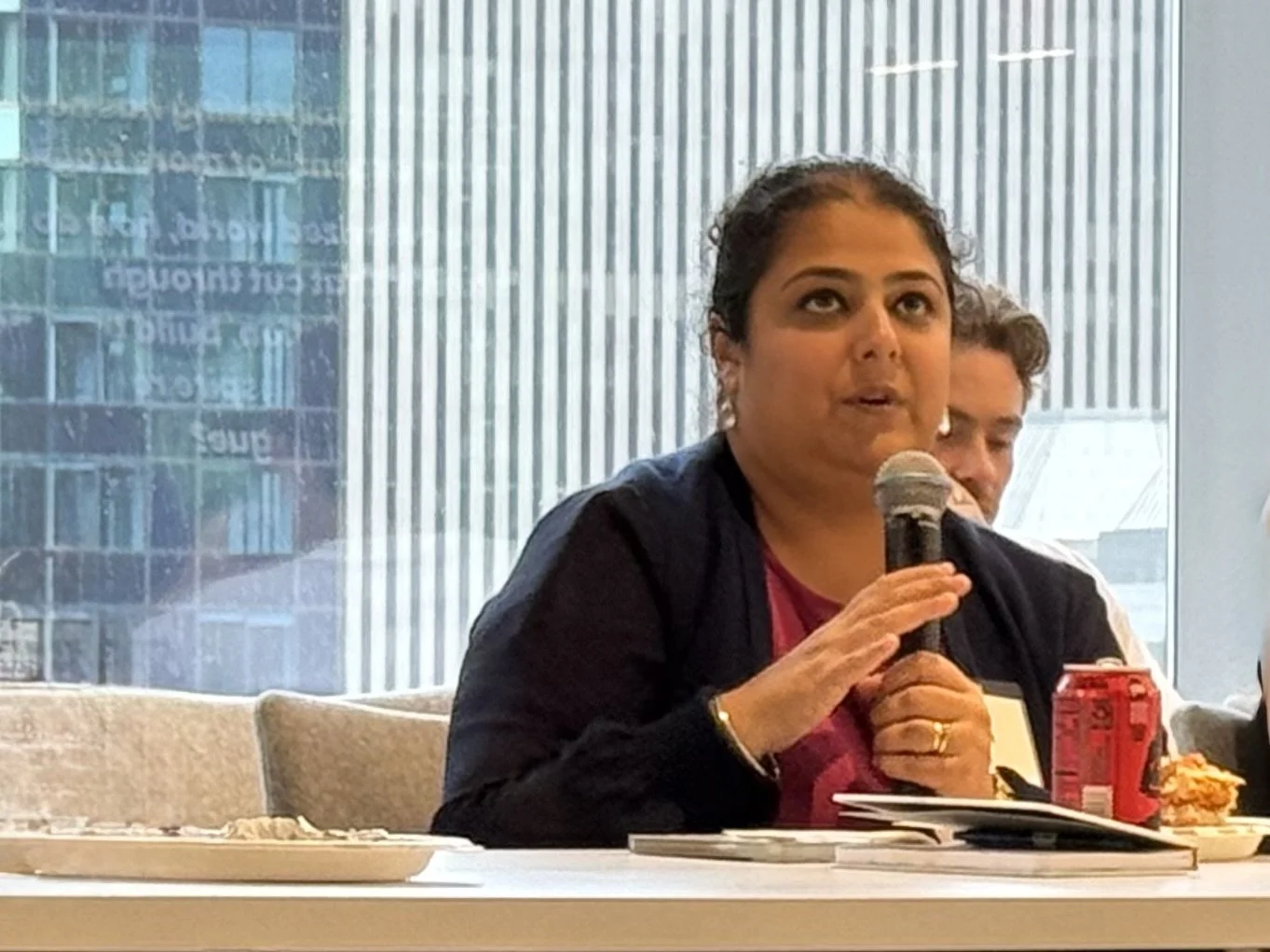
Corporate communicators are facing a crisis of credibility. Promises about sustainability and impact have collided with rising public skepticism, accusations of greenwashing, and political polarization. At a pivotal Climate Week 2025 Communications Town Hall hosted at Anchin in New York, communications leaders from global brands and agencies confronted how storytelling can restore trust, cut through fatigue, and turn corporate commitments into messages that resonate with audiences and withstand scrutiny.
The conversation turned quickly from slogans to substance. “We need to be careful,” said Dan Strechay of PepsiCo. “Companies signed up to like every commitment that you could sign up to. That was really not a great idea.” He said PepsiCo’s sustainability communications now center on material business issues such as agriculture and supply chains. “If you are making tough decisions and you are communicating authentically and transparently, you are going to be in a better position,” he said, noting the company used radical transparency to release changes to its sustainability goals and invited scrutiny.
For communicators, the lesson was direct: tie climate narratives to the business areas where a company can measurably move the needle, and show receipts when strategies shift. That learning echoed throughout the room as speakers wrestled with accusations of greenwashing and the risks of “greenhushing.”
Silence carries its own cost, warned Dave Armon of 3BL. “There is a trust cost to greenhushing,” he said. “There is an expectation that you are going to be transparent and tell your story. If you do not, that vacuum will get filled by somebody else.” Armon urged executives to explain misses and resets rather than go dark.
Audience relevance surfaced as a second pillar. Aman Singh of Kenvue leaned into fatigue and argued for precision. “I am very clear about audience segmentation,” she said. “Who do you want to engage and why? Then let’s talk about what is the story there.” Whitney Dailey of Allison Worldwide added that climate must be placed in consumers’ daily context. “Simplicity in messaging and connection to everyday lives needs to be a critical part of your messaging if you are going to break through,” she said.
That call for clarity extended to language itself. Vanessa Wakeman of The Wakeman Agency urged the field to adopt consistent terms. “We need a shared language,” she said. “Different companies define impact in different ways. That creates confusion and fatigue.” Peter V. Stanton of Stanton Communications pressed for honesty over hype. “The truth is a good place to start,” he said. “We cannot do everything. These are the things we are going to do and we are going to commit to do.”
Several speakers argued that numbers without narrative fall flat. Ken Kerrigan, senior advisor of The Bliss Group put it bluntly: “We do not learn from facts and figures. We share stories.” He challenged brands to shape stories that reflect the audience’s values, not only the company’s. That counsel matters for internal audiences as well. “From an employee engagement standpoint, what your employees care about is more than what the business cares about,” he said.
Others urged candor about progress in real time. Lindsay Philpott of Kind Snacks described a pilot effort to test paper wrappers and the decision to share the journey, not just results. “Consumers liked hearing the progress over perfection story,” she said. “Bringing people along helps avoid the feeling that something is being dropped in without context.”
The group did not shy from the information environment’s headwinds. Political leaders continue to dismiss science, fueling confusion and deepening divides. Todd Murphy, a longtime media analysis executive, warned that “we live in a reality-optional culture” and challenged communicators to “retake truth” amid apathy.
Tactics surfaced alongside principles. Grace Chua of Kite Insights urged companies to engage the business functions most tied to material impact and incentives. Marisol Sánchez of the Aruba Tourism Authority stressed transparency with local communities and visitors.
“We are not going to say we are the most sustainable island in the Caribbean, because we are not quite there yet,” she said. “We’re on the right path, but it’s a process, and we cannot do it alone.”
The discussion also looked forward. Bill Wescott of Ad Net Zero cautioned against communications “whiplash” as the pendulum swings between hype and backlash. “Rule number one, do not say something unless it is true,” he said. “You better have the receipts to show that it is true.” He pointed to emerging regulations and research resources that can anchor messages in evidence.
By the close, a working playbook had emerged for communicators: anchor stories in material action, use a shared and simple language, resist both greenwashing and greenhushing, and persist in public truth telling even when the climate discourse turns volatile. Singh captured the operational standard that underpins credible narratives. “Do what is expected,” she said. “Make the product the cleanest, safest, most effective. Make the packaging recyclable without friction. Consumers expect that from us.”
For communications leaders, the mandate is not to shout louder but to stand firmer. “Truth well told” is more than a catchphrase. It is a discipline of choices, proof points, and transparency that builds resilience in the face of fatigue, polarization, and misinformation. The leaders who embrace this standard will not only protect reputations but also set the pace for how business shapes public trust in the years ahead.