

CBS Fired Colbert and Created a Crisis It Should Have Seen Coming
There have been enough writings about the steps companies should take to avoid a PR crisis to fill the Library of Congress, and then some.
But CBS’ actions regarding the cancellation of “The Late Show With Stephen Colbert” provide a new lesson — how to create a self-imposed PR crisis.
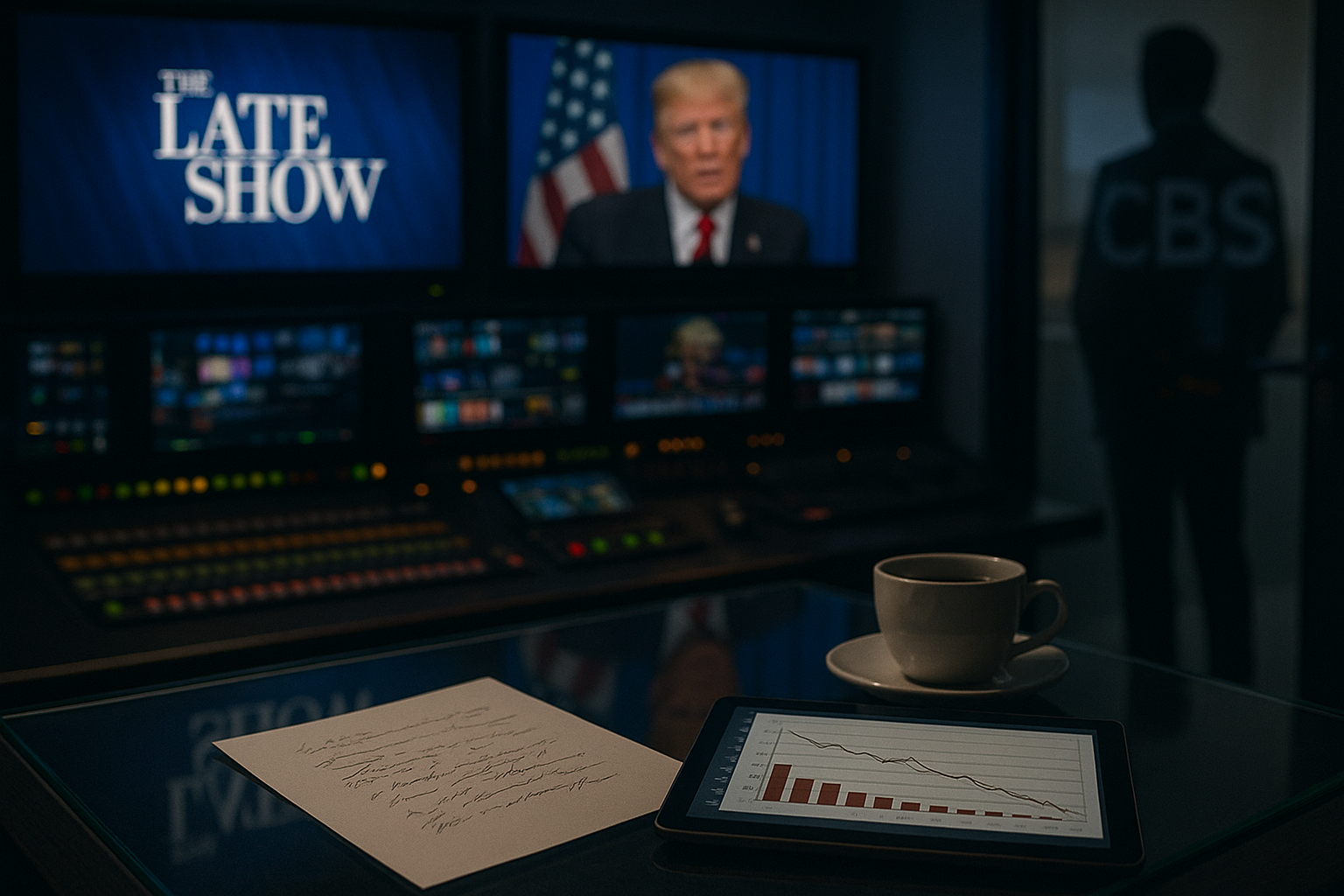
The self-seeded crisis bloomed because of how the once-great network that featured broadcast legends like Edward Murrow and Walter Cronkite, and hosted what until recently was regarded as the best investigative program on TV, “60 Minutes,” fired Stephen Colbert, host of the No. 1 rated late-night talk show.
Just what did CBS do wrong in the way it canceled “The Late Show”? Everything is the correct answer.
Colbert, who hosted the popular program since 2015, has routinely skewered President Donald Trump, giving life to the theory that the decision to cancel the show was part of a settlement with Trump over a dispute involving the editing of a “60 Minutes” interview with Kamala Harris, when she was running for president.
Even before the settlement, Colbert had been a critic of Trump for years, and undoubtedly his comments about the thin-skinned president rattled him.
So when CBS notified Colbert that his program would cease airing next May, the president said, “I absolutely love that Colbert got fired. His talent was even less than his ratings,” Trump said in a July 18 Truth Social post, before also ripping ABC’s Jimmy Kimmel.
The initial mistake that CBS made was the way it handled Colbert’s firing. It did so shortly after Colbert publicly took CBS’s parent company, Paramount Global, to task for settling a $16 million lawsuit with Trump.
“CBS canceled Colbert’s show just THREE DAYS after Colbert called out CBS parent company Paramount for its $16M settlement with Trump — a deal that looks like bribery,” Sen. Elizabeth Warren wrote on social platform X. “America deserves to know if his show was canceled for political reasons,” reported The Hill, which is a must-read for the political community. Sen. Adam Schiff concurred with Warren’s position.
The fact that Colbert’s firing came shortly after he publicly criticized CBS’s parent company, Paramount Global, for settling the $16 million lawsuit with Trump has created the self-imposed PR crisis for CBS.
Critics of the settlement theorized that CBS capitulated to Trump in order to get approval for a deal that needs federal approval from the Trump administration — the $8.4 billion merger between its parent company, Paramount Global, and Skydance Media.
CBS denies that the proposed merger had anything to do with the cancellation of “The Late Show.” It was purely a financial decision, the network says, because the program has been losing money with a declining audience for several years.
That may be so, but by firing Colbert so soon after he said on the July 14 show that “I believe this kind of complicated financial settlement with a sitting government official has a technical name in legal circles: it’s big, fat bribe,” it gave the appearance that the firing was connected to his statement.
Everyone in the PR business knows that optics matter, and the optics for CBS firing Colbert just a few days after he criticized the network were not in CBS’ favor.
CBS insists that there is no connection between Colbert criticizing it for its settlement with Trump over the “60 Minutes” Kamala Harris interview or the pending merger that needs federal approval from the Trump administration.
Whether the CBS statement is true or not, the optics of how it fired Colbert have created a self-imposed PR crisis for the network, which in the past has been praised for not bowing to political pressure — especially during the Red Scare era after World War II, punctuated by Murrow’s exposing Sen. Joseph McCarthy’s anti-communist tactics on his program “See It Now,” broadcast March 9, 1954.
It would have been easy for CBS to avoid its optics problem by following a few basic PR strategies:
It could have made public the amount of money it lost on “The Late Show” over the past five years the same day it fired Colbert.
It could have released data on the show’s dwindling audience viewership over the past five years.
It could have staged the announcement during a press conference with Mr. Colbert.
But most of all, it should not have made the announcement of the cancellation of “The Late Show” so close to Colbert’s comment about CBS’ deal with Trump being a “big, fat $16 million bribe.”
The fact that CBS — which must employ dozens of PR people across its many properties — fired Colbert in a manner that was certain to draw criticism is surprising. It gives credence to the speculation that the firing was tied to the merger that needs approval from the Trump administration.
In my opinion, the way CBS handled the situation deserves a failing grade in a PR 101 class.