

Bridging Climate Communication Across Diverging Global Priorities
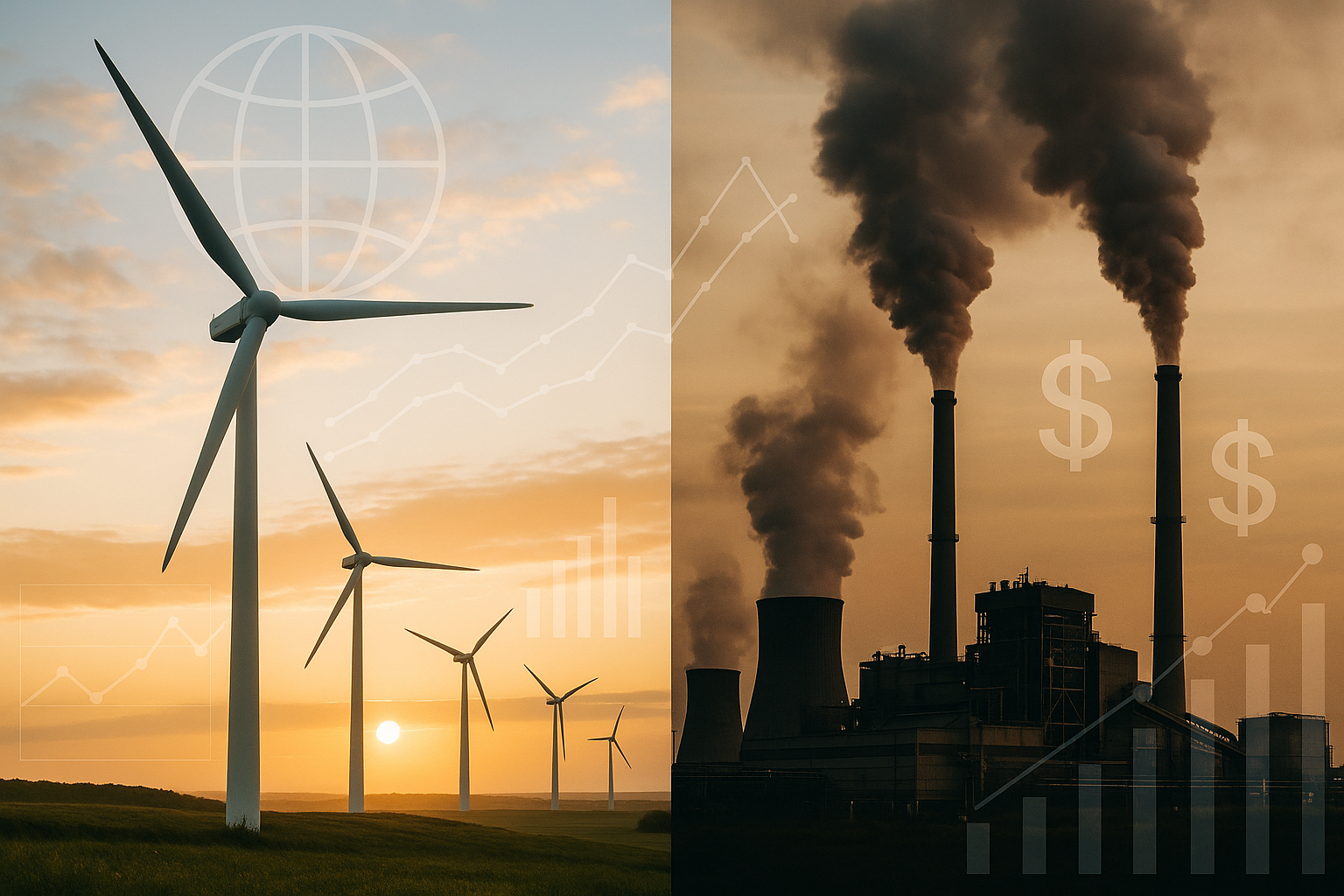
As global climate challenges intensify, the United States and the European Union are charting different courses. The U.S. has shifted away from emphasizing environmental regulations, removing climate language from federal websites and instead prioritizing energy affordability and job creation. The EU, in contrast, remains committed to environmental progress. The European Commission recently proposed a 90% emissions reduction target by 2040 and continues to emphasize transparency and corporate responsibility through measurement, reporting and mitigation.
These contrasting approaches present a messaging divide. In the U.S., climate policy is often framed around economic resilience, infrastructure and energy independence. The EU maintains direct language about the climate crisis, describing it as both an environmental and economic imperative.
For businesses, this divergence influences communication strategies. Some U.S. companies are reframing sustainability efforts to highlight business objectives and outcomes. In the EU, companies that fail to demonstrate measurable climate action risk increased regulatory scrutiny, reputational damage and loss of investor confidence.
This dynamic landscape demands mindful communication. Credible storytelling and alignment with international frameworks are essential to sustaining trust, managing risk and advancing meaningful climate action.
Why language matters: Diluted messages weaken momentum
In corporate communications, language doesn’t just shape perception — it drives action. The challenge is to strike a balance between clarity, urgency and a solutions-focused approach. Research shows that audiences engage most when sustainability is positioned as essential to business viability, economic stability and securing a livable future with better community outcomes.
Finding the right tone: Urgent, not alarmist
Companies must build narratives around universal truths. Many miss the mark, either downplaying the stakes or leaning too far into panic. In the U.S., climate efforts typically emphasize economic resilience and energy security, but this must be grounded in transparency and measurable outcomes.
Effective sustainability communication is:
Transparent: Acknowledge challenges, show progress and ensure consistency between words and actions.
Data-driven: Use metrics and real-world examples to illustrate impact.
Solution-oriented: Connect innovation to relatable concerns like jobs, public health, affordability and community resilience.
Economically compelling: Highlight financial benefits of sustainability efforts.
Audience-specific: Tailor messages to economic, environmental or social priorities.
Multi-platform: Use a range of owned, earned and new media channels, from podcasts to Substack to emerging platforms.
Sustainability is smart business — but not one-size-fits-all
Despite political shifts, sustainability continues to be a sound business and operational strategy. It helps avoid risk, improve efficiency and unlock new revenue opportunities. For solutions lacking a clear return on investment, building a stronger business case is key to aligning sustainability with enterprise goals and stakeholder expectations.
As policies evolve, companies must stay grounded in fundamental truths. That’s the difference between simply delivering a message and creating lasting impact. Communicators must adapt, ensuring their narratives resonate amid differing global priorities — while offering hope and forward-thinking solutions.
Political winds may shift, but the planet’s needs remain constant. Climate messaging must remain credible, consistent and rooted in collective purpose.