

Why Comics, Print and Passion Still Matter in an AI World
What you will learn when you read this article:
Why print still holds power in a digital-first world and how independent publishers like John Kelly are using it to build lasting impact.
How passion-driven content and deep subject matter expertise can create cult followings and credibility without relying on scale.
What communicators can learn from Kelly’s approach to storytelling, technology, and authenticity in an era of AI and media saturation.
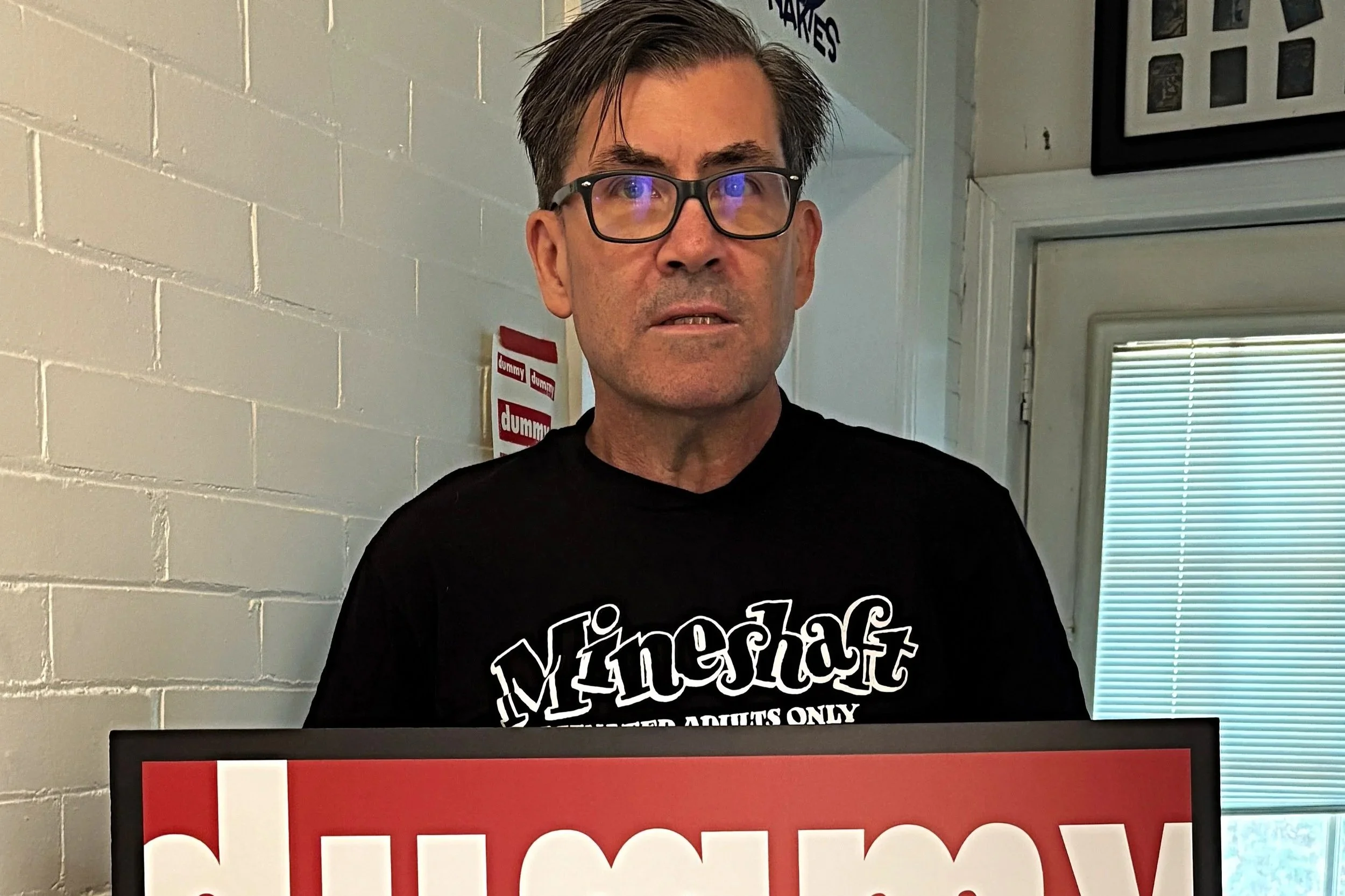
John F. Kelly never set out to become a publisher. But like many of the greats in media, he followed his obsession. What began as a personal zine dedicated to Pee-wee’s Playhouse has turned into Dummy, a comics history magazine with sold-out issues, critical acclaim and a cult following among artists and comics historians. In a recent interview with Samir “Mr. Magazine” Husni, Kelly shared insights into his journey, his deep love for print, and what Dummy’s unexpected success reveals about the future of media. For public relations professionals trying to understand the soul of media today, and why print remains powerful, Kelly’s story is a case study in purpose-driven publishing.
Each issue of Dummy is a deep dive into a single topic. The second issue, for example, explores the rebellious and controversial underground comic Air Pirates Funnies, which captivated Kelly as a 10-year-old. “They were doing something very different here,” Kelly said. “From that point on, I’ve been really puzzled and fascinated by the Air Pirates. This was my chance to explore that deeper.”
CommPRO had the opportunity to learn more about Kelly’s journey through a one-on-one interview conducted by Samir “Mr. Magazine” Husni. The conversation revealed a unique window into Kelly’s motivations, his love of print and the hard realities of independent publishing.
Kelly has worn many hats — writer, marketer, educator — and he applies each lens to his publishing journey. “I missed the printed magazine,” he said. “Holding something in my hand that I spent a long time writing and researching, that mattered to me.” It is a sentiment resonating across the independent media world, where the return to print is less about nostalgia and more about impact. “Print is like a break medium,” he said. “We consume so much information online. This feels like something you can hold on to.”
Dummy is not a commercial product. It is a passion project. But that is exactly what gives it power. “My target audience is one person: me,” Kelly said. “Each issue is something I wish existed. I write to learn, and I make it beautiful because I want it to last.”
For communicators, that is the insight. Audiences still crave depth, physicality and care in a world of scroll-and-forget. As brands wrestle with AI-generated content, disappearing attention spans and algorithmic fatigue, Dummy reminds us that authenticity, craft and storytelling built for keeps — not clicks — can win.
Kelly does not ignore technology. He sees the complexity of AI with nuance. “Anything can be misused, and AI certainly misuses a lot of things,” he said. “The theft of intellectual property is a real threat, especially for artists. But there are helpful uses too.” Communicators should take note. Technology is a tool, not a strategy. What matters is how it is used to support storytelling, not replace it.
Public relations professionals looking to reach media gatekeepers would do well to study people like Kelly. He does not chase scale. He builds meaning. He hand-stamps every mailer, writes deeply reported essays and treats each issue like a permanent record.
Launching a magazine is expensive, difficult and time-consuming. Kelly acknowledges that. But he offers a final lesson communicators should consider: “That’s not a reason not to do it,” he said. “If it’s something you want to exist in the world, you should try.”
As the communications industry grapples with content saturation, disposable news cycles and pressure to produce more with less, Dummy delivers a radical alternative: say something worth printing.