

Why Burnout Is Getting Worse This Summer Despite All the Talk About Mental Health
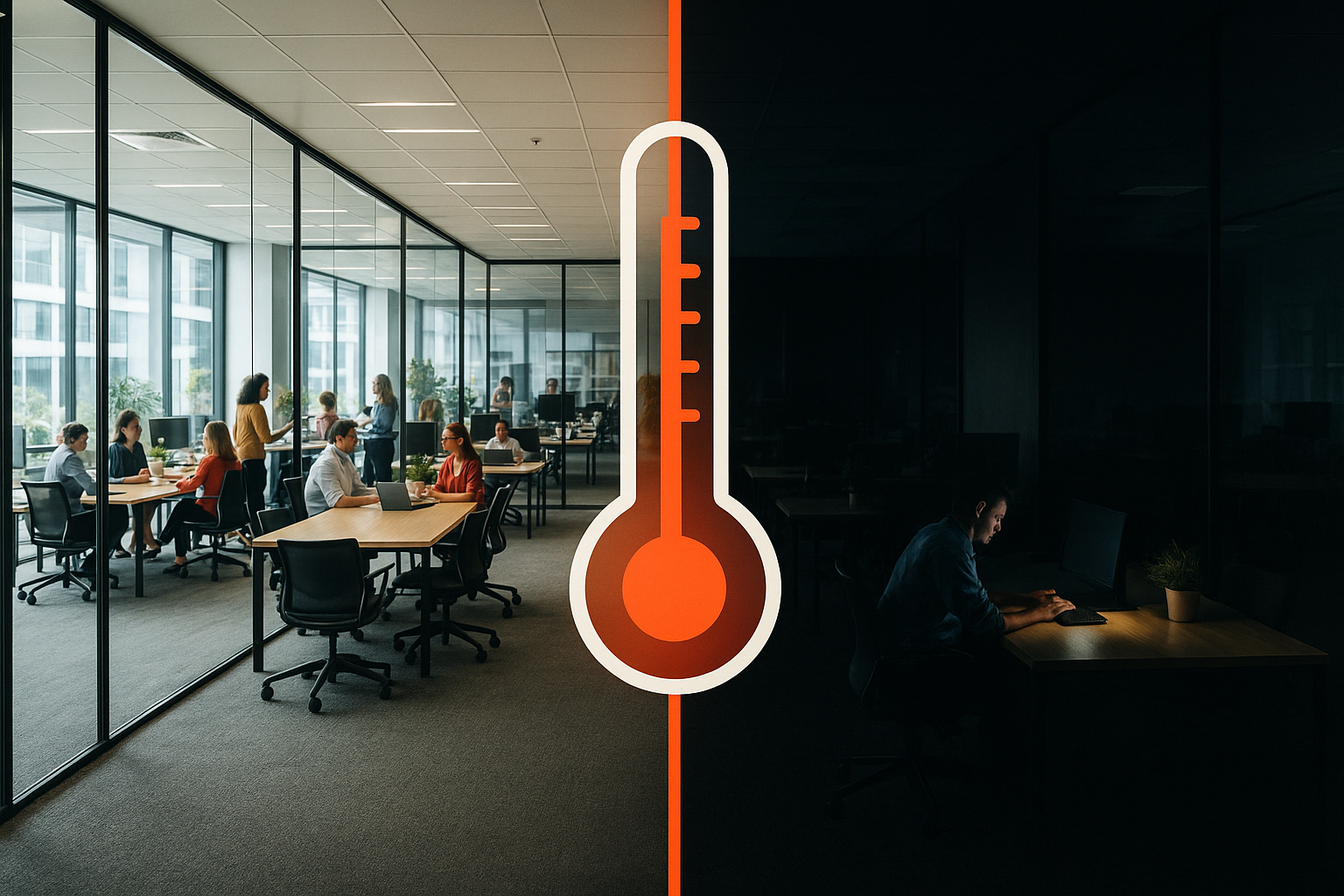
Burnout may have peaked in headlines during Mental Health Awareness Month, but as the summer rolls on, new data shows that workplace stress is only intensifying. Melissa Rieger, a veteran communications strategist and mental health advocate, says companies must act now or risk long-term damage to both people and performance.
“Sadly, it appears like employees have been trading their summer sunburns for more workplace burnout,” said Rieger, who serves as executive vice president at Red Havas. “Studies are showing that as many as half of employees admit that job security is keeping them up at night. This is when burnout stops looking like a personal weakness and starts becoming an economic symptom.”
According to the American Psychological Association’s 2025 Work in America survey, 54% of workers say job insecurity is a significant source of stress, and 39% fear they could lose their job within the next year. This marks a new frontier in workplace mental health, where financial anxiety and organizational instability are becoming top contributors to burnout.
Even more concerning is a perceived erosion in employer empathy. Following Rieger’s widely-read CommPRO article “Is Burnout the New Black?”, a WebMD workplace survey released in June reported a 14% year-over-year drop in the number of employees who rate their mental health as “excellent.” Only one in four employees strongly agree their employer cares about their well-being.
“The workplace empathy gap is widening,” Rieger said. “With it we’re seeing increased stress, crumbling employee engagement and full-blown burnout. Empathy is critical to creating a positive, healthy workplace, yet new studies show that only one in four employees feel like their company truly has their back.”
Rieger points to new momentum behind structural solutions as a hopeful sign. A June study highlighted in Entrepreneur found that a four-day work week resulted in 70% less burnout among employees. Nearly all participating firms adopted the schedule permanently.
“In my two decades in the industry, the four-day work week model has never felt attainable,” Rieger said. “Yet it’s been tested and as of June, we’re seeing data that is proving reduced burnout by nearly 70%. It’s time for employers to stop thinking more seriously about the model. It’s not just a perk…it’s turning rest into real ROI.”
Legislators are taking note as well. California recently introduced a “Right to Disconnect” bill that would penalize employers for requiring after-hours communication. While still under debate, the bill signals growing acknowledgment that protecting personal time is fundamental to reducing burnout.
Rieger’s message to leaders is consistent: burnout is not a personal flaw, but a systemic issue that can be addressed through intentional policy shifts, empathy from the top, and flexible care. Her previous article emphasized actionable strategies, including measuring employee wellness, offering digital therapy tools, and modeling healthy behavior at the leadership level.
The rising summer heat may be unavoidable, but workplace burnout does not have to be. Leaders who listen, adapt and evolve stand to not only retain their talent—but also fuel a healthier, more engaged workforce.