

Truth Is the Only Foundation for Climate Storytelling
What you will learn from this article:
Why “truth well told” is the essential foundation of credible storytelling and how communicators can build trust by admitting limits, progress, and setbacks.
How sustainability narratives must move beyond jargon and compliance reports to connect with audiences through accessible, relatable language.
What communicators risk by overpromising — and how transparency and humility can protect brands from backlash while strengthening stakeholder relationships.
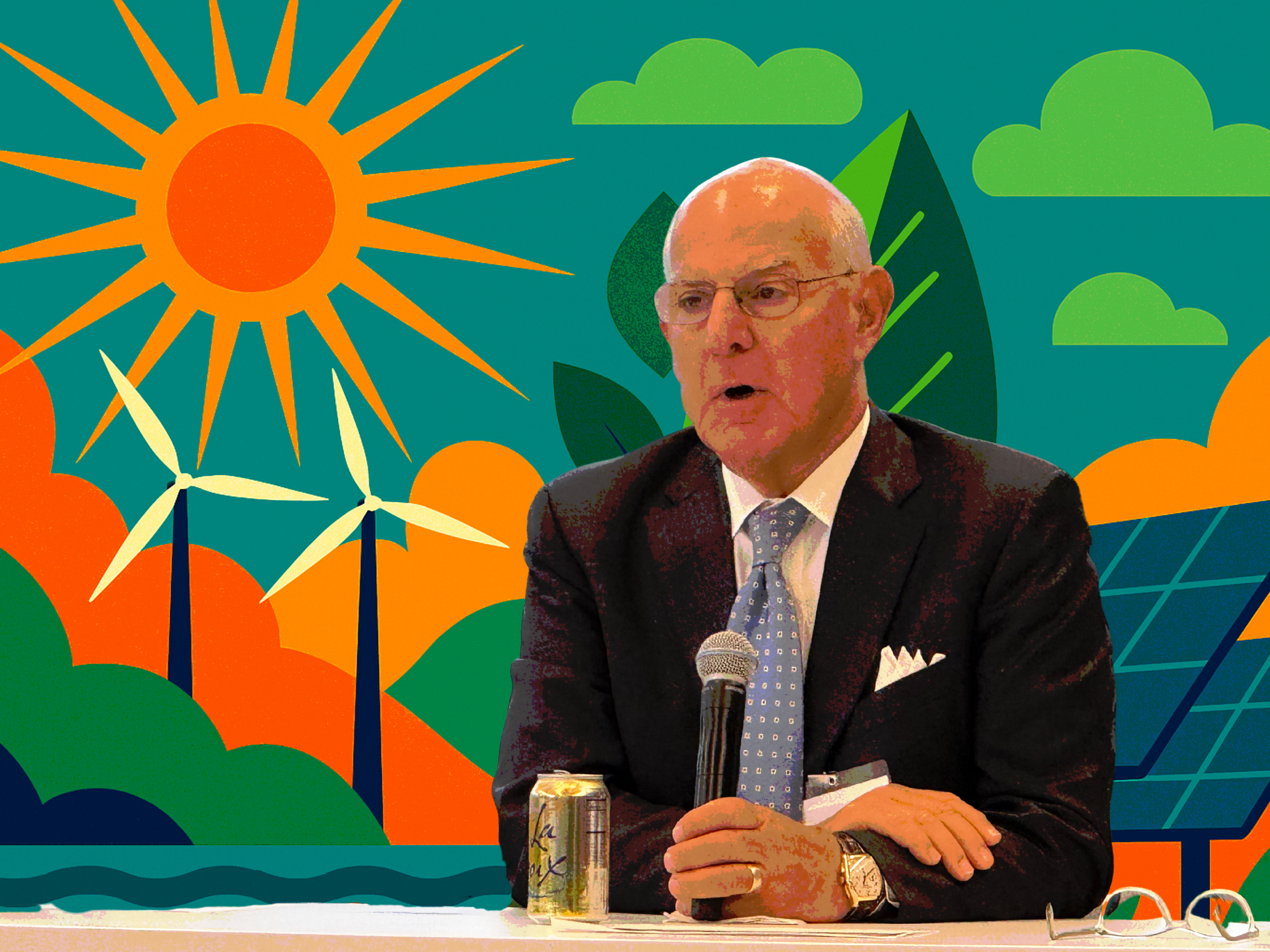
In a room full of senior communicators debating greenwashing, accountability and audience fatigue, one comment landed with force. “The truth is a good place to start,” said Peter Stanton, founder of Stanton Communications, during the Climate Week 2025 Communications Town Hall hosted by Anchin and organized by CommPRO.
Stanton and others participating in the Town Hall drew from decades of experience counseling companies through crises to press for climate narratives rooted in candor. He recalled a meeting where a CEO insisted that communications begin with the truth, a moment that reset the tone of the entire discussion. For Stanton, honest storytelling is not optional but foundational.
The conversation made clear that climate storytelling must move past spin and acknowledge limits. The consensus was that companies cannot do everything, but they can be transparent about what is achievable and demonstrate commitment to reporting progress without retreating from challenges. This approach, participants argued, builds credibility over time.
Speakers also emphasized that climate communication has to be relatable. Surveys show audiences are weary of being lectured about climate responsibility. People want proof that companies are delivering great products while committing to responsible practices. Sustainability should be part of that story, but it needs to be presented in accessible language rather than abstract jargon. Honesty about scope and intent is more powerful than inflated claims that risk alienating audiences.
The honesty message was reaffirmed by many other Town Hall participants who spoke of a need for a common language that resonates with audiences grappling with climate fatigue and a polarized information environment. For many, Stanton’s words cut through the noise: sustainability reports may satisfy compliance, but they rarely inspire trust. Storytelling does — if it is rooted in truth, humility and a willingness to admit both progress and shortcomings.
Town Hall communicators made clear that storytelling is not about embellishment, but about shaping narratives that audiences recognize as credible. As Stanton put it, truth well told is the only foundation on which climate storytelling can stand.
For communicators, the takeaway was clear: in an era of climate skepticism, brand trust depends on authenticity. Overpromising fuels backlash, while transparency sets the stage for long-term credibility. The challenge is not simply crafting a message, but embedding truth into every layer of a company’s climate narrative. Those who adopt this approach will not only avoid accusations of greenwashing but also strengthen their relationships with stakeholders who are eager for honesty in a noisy and divided marketplace. In the endit comes down to the “truth well told,” the only storytelling that audiences will recognize as credible and the only one that lasts.