

Audience First Storytelling Is the Cure for Communication Fatigue
What you will learn from this article:
How audience segmentation can cut through fatigue and ensure sustainability messages resonate with the right stakeholders.
Why communicators must make sustainable choices simple, expected, and intuitive rather than instructive or prescriptive.
What it takes to embrace courage and depth in storytelling, embedding authenticity and responsibility into every message.
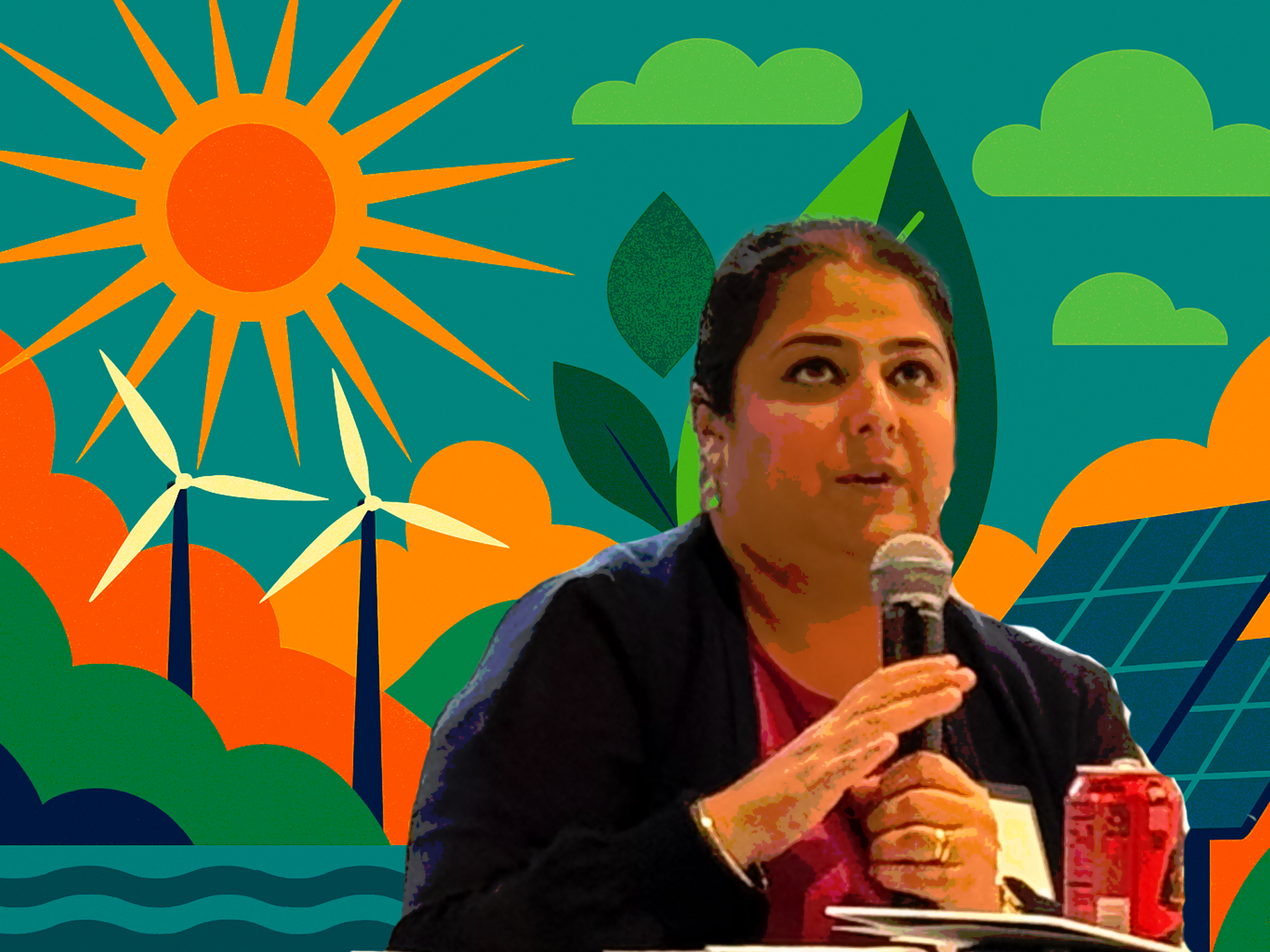
Communicators facing climate fatigue should not ignore it but work with it, Aman Singh of Kenvue said during the Climate Week 2025 Communications Town Hall at Anchin, organized by CommPRO.
Singh, who leads global communications for sustainability at Kenvue, described the unique opportunity of positioning a two-year-old consumer health company that spun out of Johnson & Johnson. “We are like a start-up with 20,000+ employees,” she said. “We have a clear purpose and a built-in legacy in health. And we have the opportunity to reimagine what it means to be a consumer products company that is purposefully working to realize the extraordinary power of everyday care. And so my role as a storyteller is, okay, let’s figure this out together one day at a time.”
Her focus, she emphasized, is on audience segmentation as the foundation of credible messaging. “I am very clear about audience segmentation. Who do you want to engage and why? And then let’s talk about what’s the story there,” Singh said. “It’s no longer one-size-fits-all.”
For communicators, Singh’s message offered a corrective to the fatigue that has plagued climate storytelling. By prioritizing who the message is for and what matters to that audience, she argued, communicators can craft narratives that resonate instead of adding to the noise.
She also stressed that climate communication should move beyond telling people what to do and toward making sustainable choices simple and expected.“Consumers don’t need to be told to care about things like recyclable packaging,” Singh said. “They just expect companies to do it for them – make the more sustainable option the easier, intuitive one. Then it’s built into the decision.”
Singh closed with a reminder of the responsibility communicators carry. Recalling remarks from author Katherine Wilkinson at the Climate Film Festival earlier in the week, she noted: “We have the power of the pen, and that comes with responsibility. But it’s going to take courage and depth.” And Singh added, “For me, courage comes with conviction, and depth comes from experience.”
For communicators, Singh’s insights highlight the path forward: know your audience, meet them where they are, and make sustainable choices seamless. The work of climate communication, she suggested, is not about shouting louder but about telling the right story to the right people with honesty and persistence.