

Trump’s Department of War Rebrand Signals America’s New Era of Aggression
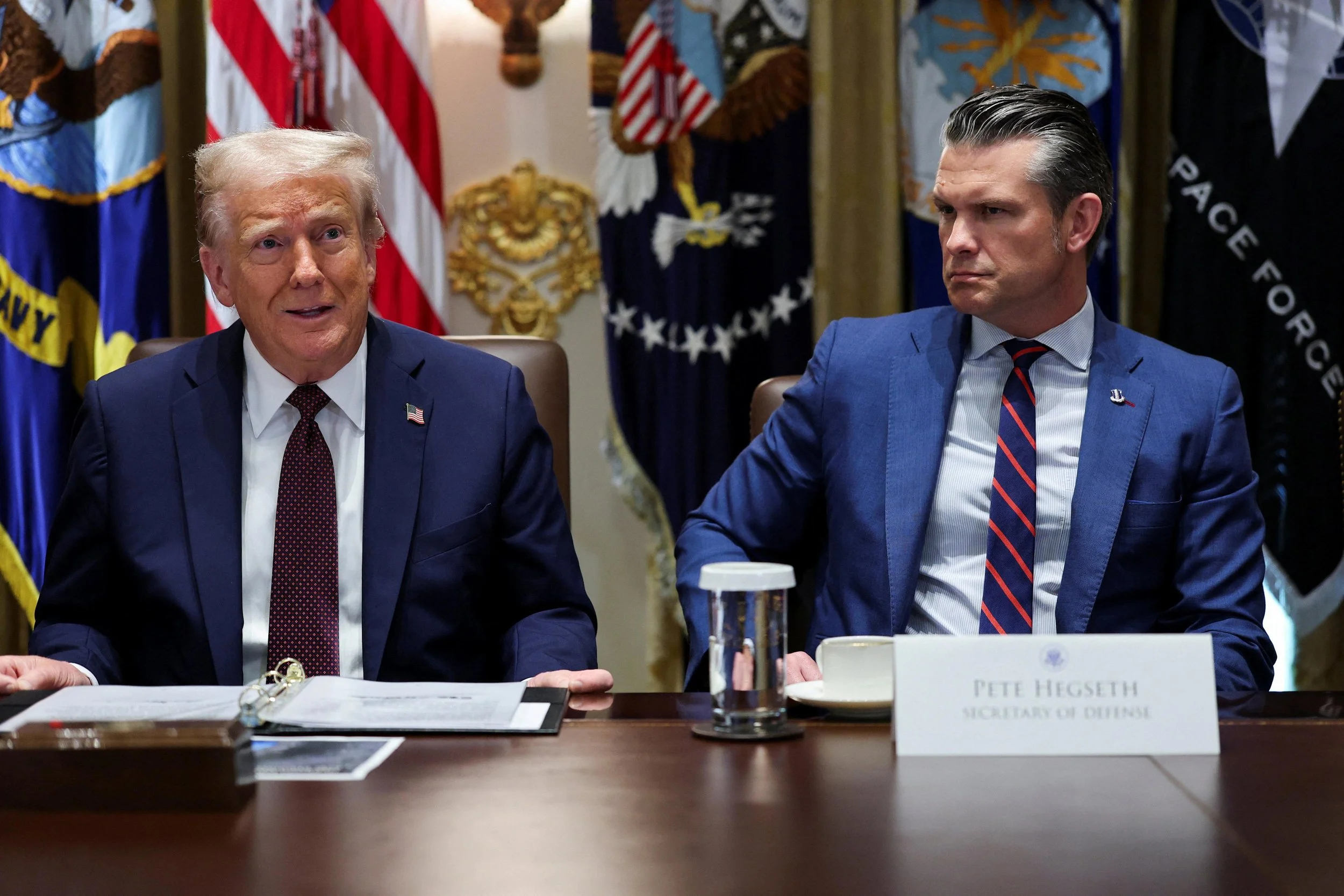
© Jonathan Ernst, REUTERS
With President Trump signing an executive order to rebrand the Department of Defense as the Department of War, America is moving further from President Theodore Roosevelt’s idea of speaking softly and carrying a big stick.
The New York Times quoted Trump on the change: “We had an unbelievable history of victory when it was Department of War,” and added, “Defense is too defensive,” while referring to Pete Hegseth as his “secretary of war.”
Although an act of Congress would normally be required to make such a change, the administration is reportedly exploring ways to work around that requirement.
What’s in a name? For communicators, the answer is clear: quite a lot. Names frame perception, and in this case, the president is reportedly prepared to spend millions of dollars to make the shift. While the administration has reduced or eliminated funding for certain domestic and international programs, priorities such as new aircraft, White House renovations, expanded National Guard deployments and high-profile rebranding efforts continue to receive support.
The move from “defense” to “war” signals a pivot to offense. For supporters of the change, “war” conveys strength, resolve and reflects Trump’s view of America’s role in global security. For critics, it raises concerns about projecting aggression rather than deterrence, and about alienating allies who may interpret the language as an escalation in posture.
For communicators, this illustrates the power of branding to shape not only public opinion at home but also perceptions abroad. Words matter. When the United States frames its military identity as defense, the emphasis is on protection and stability. Reframing that identity around war emphasizes confrontation and force, which can influence how partners and adversaries engage with U.S. leadership.
Despite promises to end conflicts quickly, wars in Ukraine, Gaza and Sudan remain unresolved. New fronts have also opened at home, including contentious battles over immigration, political opponents, and urban policy. Whether described as literal wars or rhetorical ones, these campaigns reinforce the administration’s combative framing.
The Department of War label underscores the administration’s focus on projecting strength. For communicators, the lesson is that rebranding is never symbolic. Just as corporate name changes affect reputation, trust and stakeholder relationships, so too does national rebranding alter global perception. Allies, competitors and citizens alike read meaning into the words leaders choose.
The wisdom of Roosevelt’s “speak softly and carry a big stick” was in balancing power with restraint. When language moves from reassurance to confrontation, it risks pushing people and countries away rather than drawing them closer. Rebranding the Department of Defense as the Department of War highlights the weight of words — and for communicators, it is a reminder that how something is named can define how it is understood.