

The Chaka Khan Foundation, Neurodiversity and the Power of Getting Attention
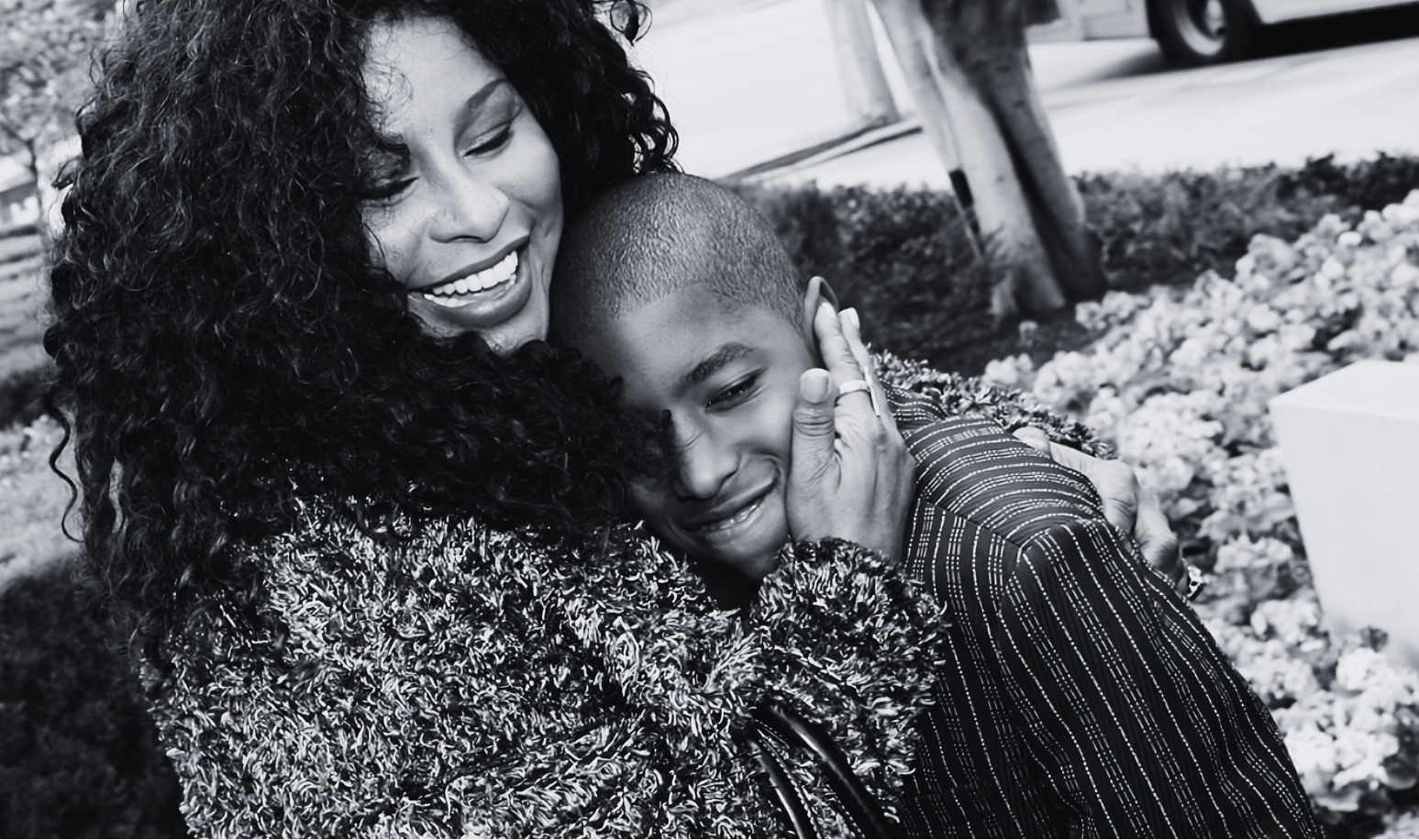
Photo credit: Clayton Everett
When I saw the news that Attention Comms had been selected as strategic communications partner for the Chaka Khan Foundation, I was interested in the partnership. But one comment from Paul Cohen, founder and CEO of Attention Comms, made me want to call him.
Paul described the Foundation’s work as sitting “at the intersection of purpose and culture, where communications can build understanding, open doors and create meaningful change.”
That’s the part I wanted to talk about.
What does that actually look like? And what can communications do when the goal isn’t simply getting attention, but changing the way people think about neurodiversity?
“For me, the intersection of purpose and culture is where communications gets really interesting, because that’s where you have the opportunity not just to raise awareness, but to actually change how people see something,” Paul told me.
That feels particularly important when you look at the work of the Chaka Khan Foundation.
Co-founded by Chaka Khan and her sister Tammy Michelle, the Foundation’s commitment to neurodivergent individuals and their families comes from the family’s own lived experience with autism. For Chaka, that connection is deeply personal. Her family’s experience has helped shape both her commitment to the Foundation and her determination to use her voice and influence to create greater understanding and opportunity for neurodivergent people. Music, mindfulness and meditation are also part of its approach, reflecting Chaka’s belief in their ability to support wellbeing, connection and opportunity.
The Foundation is doing some very tangible work. Its Playground Communication Boards help make public play spaces more accessible. Fund Their Future connects neurodivergent young people with therapy, mentoring and self-advocacy resources. Beyond 25 focuses on skills, independence and career pathways for adults as many of the support systems available earlier in life begin to disappear.
That last piece is especially important to Paul.
“One of the things CKF is particularly focused on is what happens as neurodivergent children become adults, when many of the supports and opportunities available earlier in life start to fall away,” he said.
And then he made a point that goes right to the heart of why communications matters here.
“Perceptions have consequences. They affect who gets hired, who gets included, what gets funded, where resources go, and whose talents are recognized and whose are overlooked.”
Chaka Khan obviously brings an extraordinary platform to this work. But Paul doesn’t see this as simply putting a famous name behind an important cause.
“This isn’t about attaching a famous name to a cause,” he said. “It’s about using music, storytelling, lived experience and that platform to help change the conversation around neurodiversity, away from defining people by diagnosis or limitations, and toward strengths, contributions and opportunity.”
I think that distinction is important.
We spend a lot of time in communications talking about getting attention. We want the coverage, the engagement, the visibility and the conversation. Of course those things matter. But Paul made me think about what happens next.
“I’ve always believed attention is a means, not an end,” he said. “Coverage is great, but the point is what happens because people paid attention.”
For the Chaka Khan Foundation, the hope is that attention leads to something more: greater understanding of neurodiversity, more people and partners becoming involved, and ultimately more opportunities for people whose abilities and contributions may have been overlooked.
As Paul put it, “Can we help people see neurodiversity differently? Can we bring more people and partners into the conversation? Can we help open doors that weren’t open before?”
Attention Comms will help the Foundation sharpen and amplify its story, strengthen its digital and social presence and build greater visibility through earned media and thought leadership. The partnership comes as Attention celebrates its first anniversary as an independent agency.
But what interested me most about this news wasn’t the agency anniversary or even the new business win. It was Paul’s point about what attention is for.
Communications can put an issue in front of people. It can introduce us to people and experiences we may not know enough about. It can challenge the way something has always been framed. And sometimes it can help bring the right people, resources and opportunities together.
Paul doesn’t overstate what our profession can do.
“Communications alone doesn’t create that change,” he said. “But it can absolutely help create the conditions for it.”
I think he has it exactly right.
Getting attention is one thing. What happens because people paid attention is where it gets interesting.