

The CEO-as-Personality Playbook: What Elon and SpaceX Taught the Rest of Us
Elon Musk spent two decades making the SpaceX IPO feel inevitable. Placing his analytical and brash persona on social media at all times has built a narrative where every launch or explosion became part of the audacious story. In today’s real-time AI-powered, social media-inflected communications landscape, it’s an approach that tech companies have to at least consider.
Before SpaceX, the IPO communications playbook was buttoned-down: Say as little as possible and let the prospectus do the talking. Google’s IPO in 2004 was seen as bold in the staid IPO world because Sergey Brin and Larry Page wrote a founder’s letter.
Before even going public, SpaceX demonstrated that a company could generate investor appetite by becoming part of the cultural conversation. Now, founders often see media presence and mission mythology as a priority. They also realize that if they don’t suck up the oxygen, Musk or the next company will. Some do it well. Most don’t.
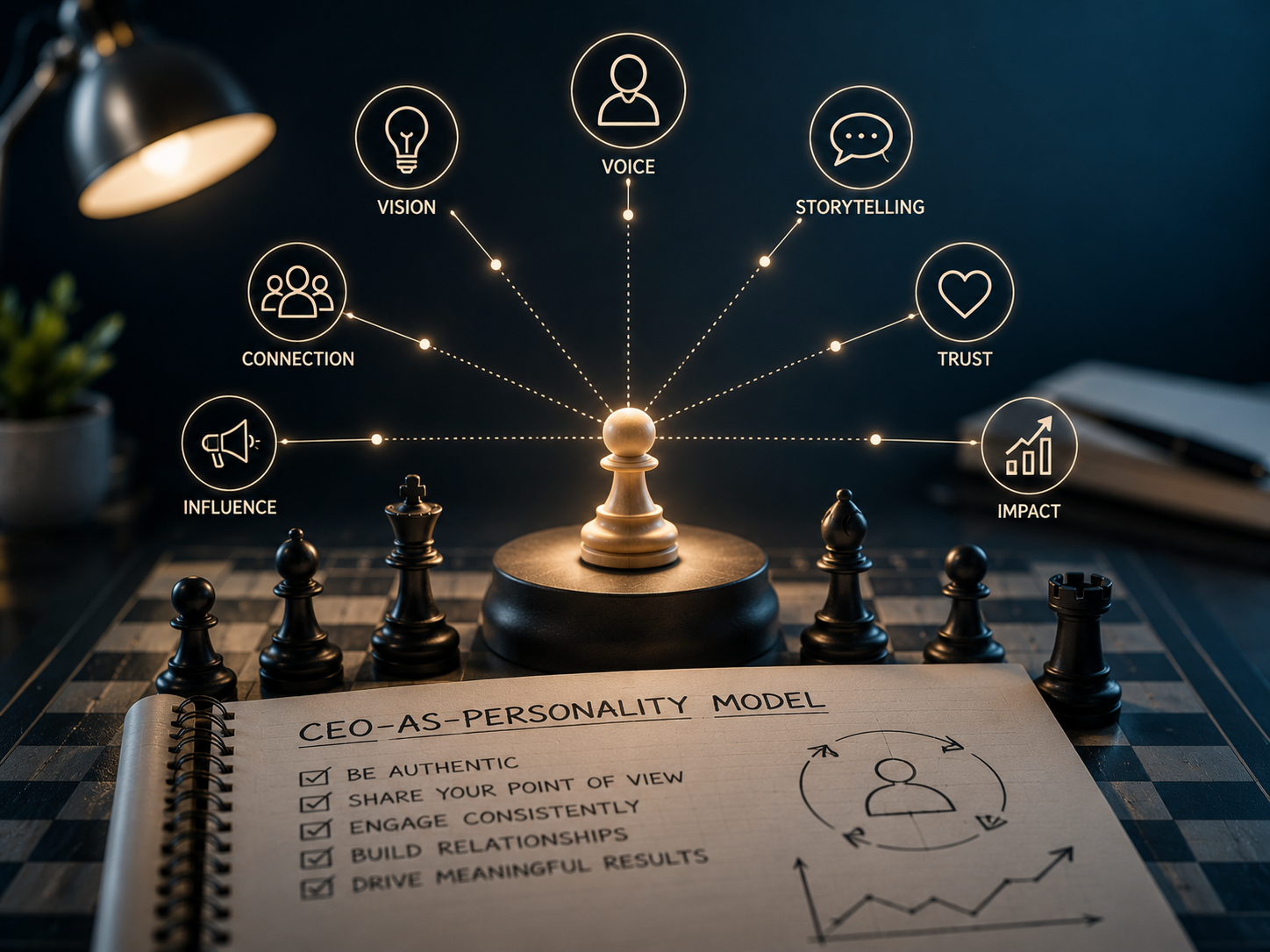
The CEO-as-personality model goes well beyond just posting occasionally on social media. Musk has maintained a consistent drumbeat over the years on the same fundamental story of multiplanetary humanity, while holding a technical and a visionary conversation at the same time. He builds in public without being afraid of being wrong. Whenever there is a Falcon 1 failure or Tesla production snafu, he frames it as iteration on the way to inevitable success. He jumps in and replies, argues and provokes. This is authenticity, not the standard CEO in the ivory tower. However, the time investment is sizable and can’t just be delegated to a communications team.
SpaceX changed the expectations for founder visibility. Previously, institutional investors expected discretion. Now, silence can be seen as having nothing to say. The roadshow was the standard, but now it’s about driving the conversation for years before the IPO. And founders who aren’t natural always-on public figures can feel the pressure.
The playbook can fail. Founders who try to create a Musk-style presence without the substance behind it can damage themselves. If you have a narrative that gets ahead of your product, it can crumble. There’s also the key-man problem. When the founder is the brand, the company’s reputation rides completely on that person’s next post or action. Any news about the founder is market-moving.
At Bospar, we see the downstream effect of that shift. In an era of instant AI results, companies want the publicity of SpaceX without the track record of SpaceX. The lesson for communicators: The CEO-as-personality model can work. A founder with a strong point of view, real social media presence and willingness to be a public spokesperson can move markets and shape coverage. That’s now a legitimate playbook. But Musk earned this authority after two decades of doing things that seemed impossible. The story worked because the rockets flew. Go for it, by all means. Just make sure you have the credibility to back it up.