

Graydon Carter on Storytelling, Instinct, and the Last Golden Age of Magazines
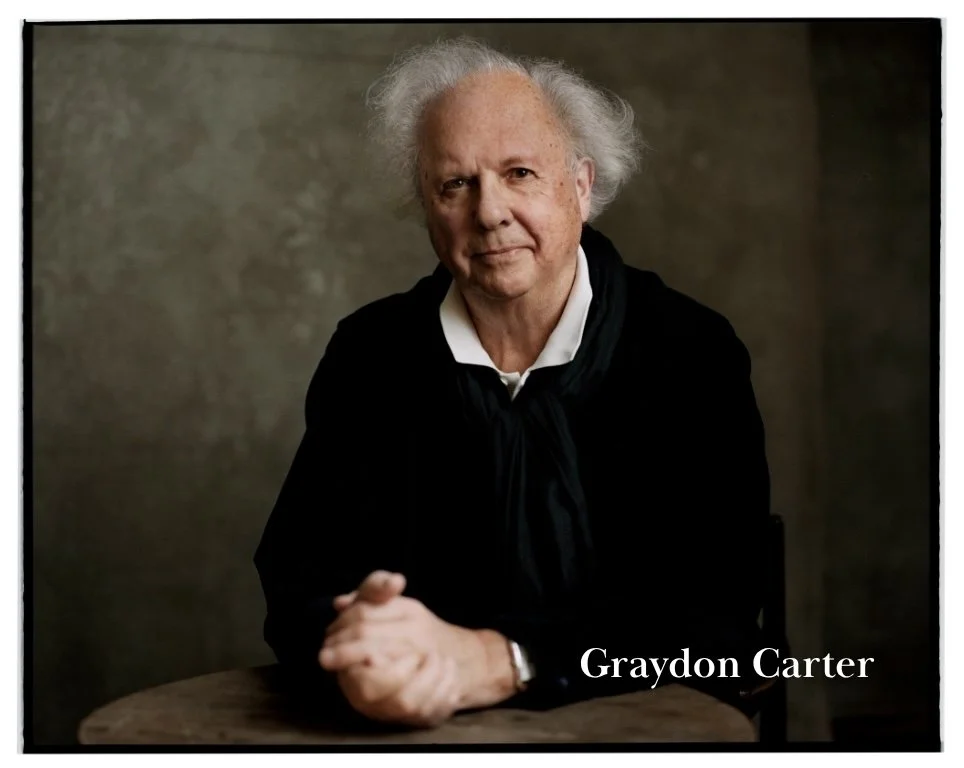
Photo Credit: Nikolai Von Bismarck
In a recent That Said conversation, Michael Zeldin sits down with Graydon Carter to talk about his memoir When the Going Was Good and the kind of career that simply doesn’t exist in the same way today. What comes through isn’t just the history of Vanity Fair or the media world he helped shape. It’s how much of that success came down to instinct, curiosity, and learning the hard way.
Carter is pretty candid about his early years. He wasn’t a standout student. He describes himself as a daydreamer, someone who didn’t quite know where he was headed but was drawn to magazines as a way to understand the world beyond where he grew up. That thread runs through everything. He didn’t follow a straight path into media. He worked on a railroad, took a government job he knew he wasn’t suited for, and eventually found his way into publishing almost by accident. What stuck with him from those early experiences is something he repeats more than once. You don’t learn much from success. You learn from failure.
That perspective shows up in how he built things. When he co-founded Spy, it wasn’t just about being funny. It had a point of view. It was sharp, sometimes brutal, but it knew exactly what it was doing and who it was for. And that idea of having a point carried through to Vanity Fair. Carter talks about how long-form stories needed more than access or good writing. They needed narrative. A real beginning, middle, and end. Conflict. Something new that hadn’t been said before. Otherwise, why bother?
One thing that really stands out is how hands-on he was. He edited everything. Every word, every caption, every headline, for 25 years. That’s almost hard to imagine now. But it’s also why the magazine had such a distinct voice. It didn’t feel like a collection of articles. It felt intentional. And while the news cycle moved faster and faster, Vanity Fair leaned into something different. Stories that took months, sometimes years, to come together but still mattered when they landed.
There’s also a clear takeaway here for anyone in communications. Carter isn’t dismissing data or audience insights, but he’s very clear that instinct matters. A lot. The job is to give people something they didn’t know they were interested in and then make it impossible to look away. That’s a different mindset than chasing what’s already trending.
He also comes back to something simple but important. Everything needs a point. His early magazine in Canada didn’t have one and it failed. Spy had one and it broke through. Vanity Fair evolved its point as the culture shifted, especially as media, entertainment, and business started to blur together. That ability to adjust without losing direction is what kept it relevant.
The back half of the conversation gets more personal, but in a way that still feels useful. He talks about telling the truth, owning mistakes, and being selective about what you say yes to. And one line that really sticks is about wishing others well. It sounds simple, but he makes the case that it’s actually a competitive advantage. People remember it, and it builds trust over time.
There’s a lot in this conversation that applies right now. Media is faster, noisier, and more fragmented than ever. But Carter’s approach cuts through that. Know what you stand for. Trust your instincts. Focus on stories that actually say something. And don’t underestimate the value of being someone people want to work with over the long run.